AI GIF creation standards: Why file sizes affect animation
"GIFing was the perfect medium for sharing scenes from the Summer Olympics."
Understanding the technical standards of GIF creation requires looking at how rendering programs interpret data blocks and frame delays. This guide covers how files transition from static images to sequences, the role of loop specifications, and how browser-based delays function.
How does a static image become an animation?

At midnight in the dim studio, I tap the screen to witness the sudden creation of fluid motion from a still photograph.
A user clicks through a folder of layered files to prepare a sequence. Many rendering programs interpret tiles or layers as animation frames and display them in sequence as an animation. This process turns individual data segments into a cohesive visual movement.
Most web browsers automatically display these frames with a delay time of 0.1 seconds or more. This automated timing ensures that the transition between layers appears fluid to the viewer. Understanding these GIF making tech specs helps creators manage timing across different platforms.
How can I control how my animation repeats? AI GIF creation standards
At dawn in the quiet office, I click the loop setting to trigger the sudden creation of a seamless cycle. A designer adjusts the settings in a file header to ensure a loop runs indefinitely. This block, placed immediately before the sequence of animation frames, specifies the number of times the sequence of frames should be played. The range allows for specific counts from 1 to 65535 times.
Alternatively, a setting can be applied so that it repeats continuously, where a value of zero indicates loop forever. This specific instruction is vital for maintaining engagement in digital environments.
Mastering these GIF generation criteria allows for more controlled and professional visual loops.
How do file sizes affect the animation process?
An editor compares different file formats to find the best balance between quality and speed. Depending on the file and the compressor, PNG may range from somewhat smaller (10%) to significantly smaller (50%) to somewhat larger (5%), but it is rarely significantly larger for large images.
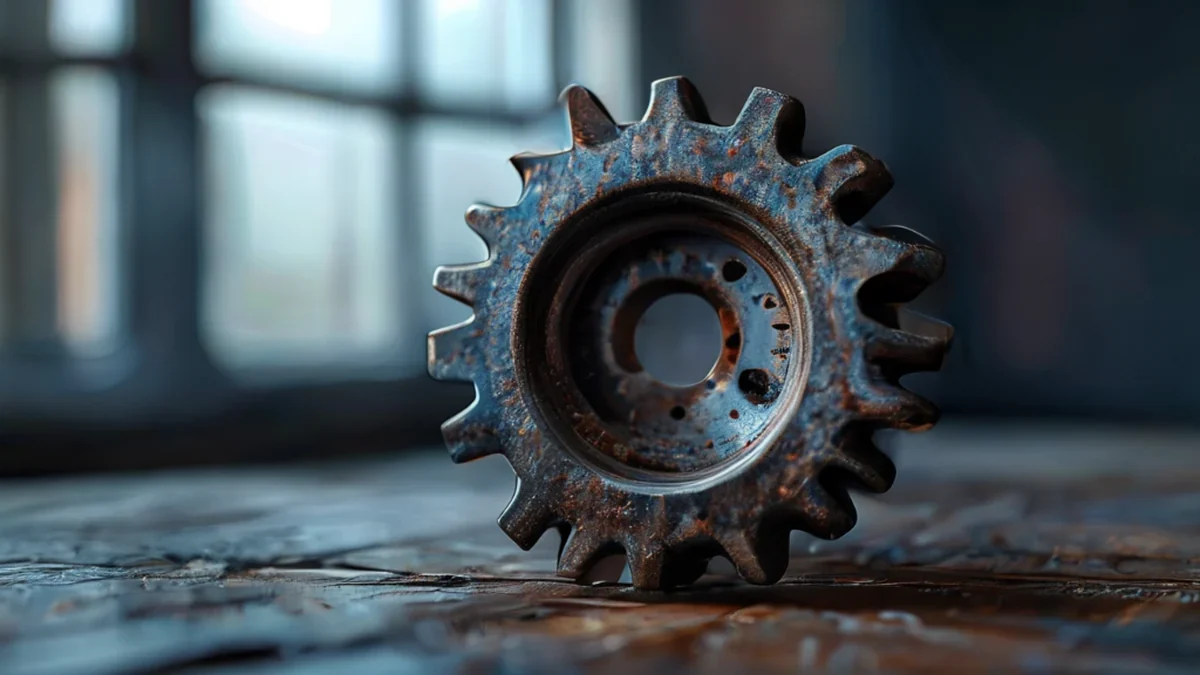
While these variations occur, the file type and compression method heavily influence the final output weight.
For those looking for more efficient alternatives, it is noted that animated GIFs converted to lossy WebP are on average about 64% smaller, and lossless WebP animations about 19% smaller than the equivalent GIFs. Finding the right balance is a key part of the AI image GIF guide.
Where did the GIF actually come from?
A researcher browses through an online archive to find vintage digital art. In 2016, the Internet Archive released a searchable library of GIFs from their GeoCities archive. This historical collection provides insight into how early web animations were structured.
According to the Wayback Machine Nuclear Energy Institute, the archived page from 3 November 2011 explains how electric power generation works.
According to the Internet Archive, a searchable library of GIFs from their GeoCities archive was released in 2016.
The evolution of the format shows its transition from simple graphics to a widely used medium. In 2012, the American wing of the Oxford University Press recognized GIF as a verb as well, meaning "to create a GIF file".
This linguistic shift highlights the widespread adoption of the format for sharing visual content.
How do technical standards ensure compatibility?
An engineer checks the accreditation of a software solution to ensure it meets industry standards. In the UK, the e-GIF Accreditation Authority accredited organisations for their capability and competence in delivering e-GIF compliant solutions.
This ensures that different systems can interact without error.
The UK e-GIF Compliance Assessment Service, operated by the NCC, offered a self-assessment tool for e-GIF compliance in projects and programmes. Such tools allow developers to verify that their technical implementations align with established protocols.

Maintaining these standards is essential for reliable AI image GIF rules.
- How does a static image become an animation?
- How can I control how my animation repeats?
- How do file sizes affect the animation process?
The subject here is AI GIF creation standards.
This part also covers Linking AI image to GIF.
This part also covers Technical GIF feature analysis.
This part also covers Improving GIF with AI tech.
Linking AI image to GIF
Related
When should a creator consider using GIFing for visual storytelling?
GIFing is the perfect medium for sharing scenes from the Summer Olympics when the visual information is best conveyed through rapid, looping motion. If the content requires a simple, continuous visual loop, the loop specification within the file header dictates the appropriate duration of that motion. Creators should select this format when the transition between individual data segments needs to appear fluid to the viewer, as this is the function of the automated browser delays.
What are the implications of varying file sizes on GIFing projects?
When an editor compares different file formats, the resulting file size directly impacts how quickly the animation loads across various platforms. Since the file type and compression method heavily influence the final output weight, choosing an efficient format is a necessary step. For instance, animated GIFs converted to lossy WebP offer a substantial reduction in size compared to the original GIF.
The technical standards for GIF creation mandate specific header blocks that control the repetition of the animation sequence. A designer must adjust these settings to achieve the desired visual effect, whether that is a finite loop or continuous playback.
Understanding how rendering programs interpret data blocks is fundamental to successful GIFing. The process involves turning individual data segments into a cohesive visual movement by displaying layered files in a specific order.





Comments 0