AI image detection trends how to spot manipulation in images
An expert examining a screen notices a subtle glitch in a digital portrait, signaling the onset of a new era in digital verification. AI image detection trends are shifting toward more sophisticated analysis to distinguish between human-captured reality and synthetically generated visuals. This guide explores how these systems work, how to identify potential manipulation, and the technical hurdles remaining in the field.
Key takeaways: * Detection methods focus on analyzing pixel-level inconsistencies and structural patterns. * The field is moving toward proactive verification rather than reactive identification. * Technical limitations remain regarding highly compressed or low-resolution media.
How are AI image detection trends shaping the digital landscape?
A researcher sits in a quiet office, adjusting the contrast on a high-resolution monitor to hunt for invisible artifacts. This work involves studying the subtle signatures left behind by generative models.
As these models become more proficient at mimicking reality, the field must adapt to identify much more complex patterns.
The current state of the industry involves a constant arms race between creation and verification. Early detection relied on simple visual glitches, such as irregular textures or anatomical errors.
However, as generative tools get better, investigators need to look for deeper mathematical inconsistencies in the data. This shift represents a fundamental change in how we verify digital authenticity.
Modern tools often look for noise patterns that are unique to specific hardware or software. While a human eye might see a perfect sunset, a detection algorithm identifies the mathematical distribution of color and light.
This type of analysis is becoming essential as synthetic content becomes indistinguishable from reality to the naked eye.
The latest AI image tech requires significant computational power to perform real-time analysis on massive datasets. Researchers are developing models that can scan thousands of images per second to flag suspicious content.
This speed is necessary to keep pace with the volume of data being uploaded to the internet daily.
In this sequence, the second point is the most extensive.
What characterizes the latest AI image tech?
A technician runs a diagnostic script that highlights the frequency domain of a photograph. This process uncovers hidden patterns that the human eye cannot perceive. By examining these invisible layers, the software can determine if an image was processed by a machine.
The core of modern detection lies in understanding how generative models structure information. These models often leave behind "fingerprints" in the form of periodic patterns or specific frequency signatures.
Advanced algorithms are trained to recognize these unique digital signatures to differentiate them from traditional photography.
Advancements in image AI have led to more robust models that can handle various levels of noise and compression. This ensures that the detection remains accurate even when images are resized or shared across social media platforms.
The goal is to create a standard of truth that holds up under different viewing conditions.
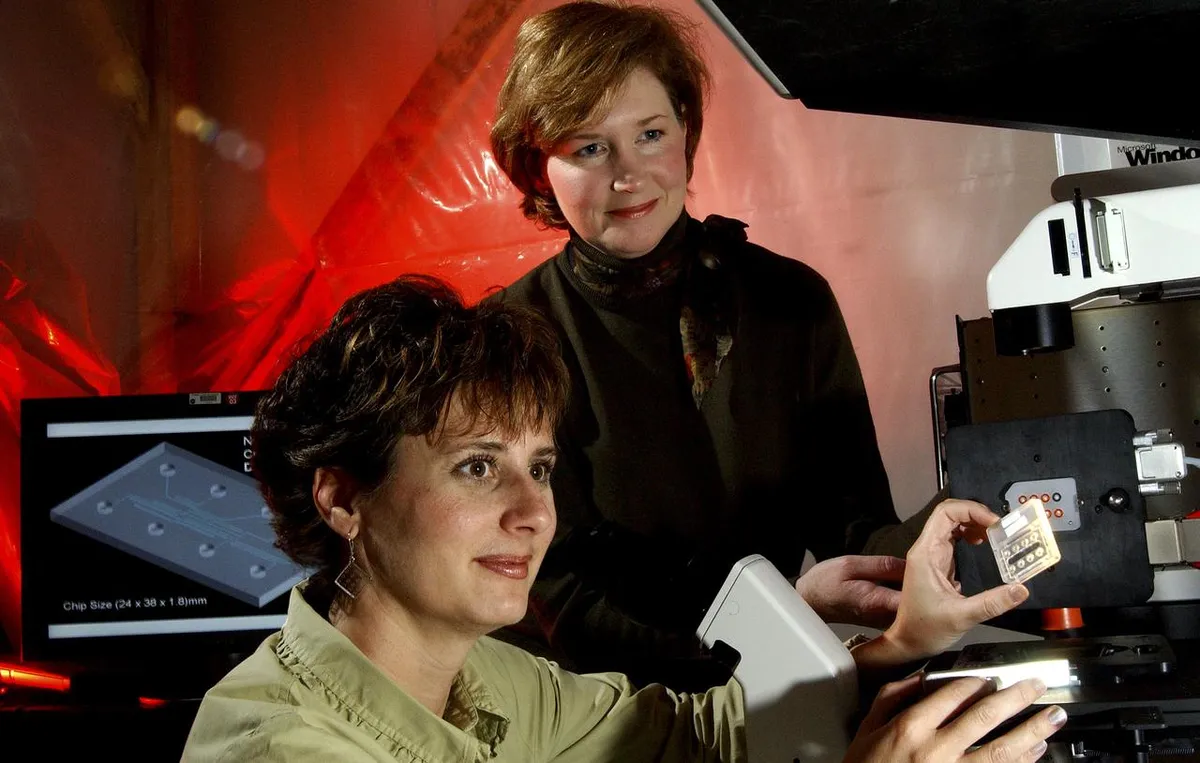
As the technology evolves, it moves toward multi-modal analysis, combining visual data with metadata and provenance information. This holistic approach provides a much higher level of certainty than visual inspection alone. It turns a simple scan into a comprehensive forensic investigation.
How can we understand the advancements in image AI?
A developer adjusts the parameters of a neural network to improve its sensitivity to subtle textures. This fine-tuning is necessary to prevent false positives while maintaining high detection rates. The process is iterative and requires constant refinement.
The development of these tools is driven by the need for transparency in digital media. As synthetic images become more common, the ability to verify a source becomes a matter of digital integrity.
This drive for accuracy pushes developers to create more sophisticated and reliable detection frameworks.
Improving image detection involves training models on both real-world photography and a vast array of synthetic samples. By exposing the software to every possible way an image can be generated, engineers build more resilient systems.
This training process is the backbone of modern forensic technology.
The complexity of these models means that understanding their decision-making process is a major area of research. This "explainability" helps users understand why an image was flagged, providing more than just a simple yes or no answer. It provides a roadmap of the evidence found within the pixels.
What are the next steps for image AI?
An engineer monitors a server rack where a new model is being tested against a massive library of historical images. This testing phase is crucial for ensuring the model can handle diverse visual styles. It is a foundational step in preparing for real-world deployment.
The future of the field involves moving from reactive detection to proactive verification. This means embedding authentication data directly into the image at the moment of capture. Such a method would create a verifiable chain of custody from the camera to the screen.
The future of AI vision will likely involve seamless integration into everyday devices. Smartphones and web browsers may soon include native tools that automatically flag synthetic content. This would provide an immediate layer of defense for the average user.
As these tools become more common, the focus will shift toward global standards for digital authenticity. Establishing a common language for verification will allow different platforms to work together. This cooperation is vital for maintaining a consistent standard of truth online.
How do we implement new AI image detection methods?
A forensic analyst follows a strict protocol to ensure the integrity of a digital investigation. Each step is designed to preserve the original data while extracting meaningful evidence. This structured approach is essential for professional-level verification.
Applying these methods effectively requires a combination of software tools and manual oversight. While automation handles the heavy lifting, human expertise is often needed to interpret complex results. This synergy between man and machine defines the current investigative workflow.
- First, the digital file is isolated and its metadata is analyzed to check for signs of manipulation or missing history. 2. Next, the image undergoes frequency and noise analysis to identify mathematical signatures characteristic of generative models. 3. Finally, the results are cross-referenced with known model patterns to confirm the likelihood of synthetic origin.
I once used a specialized tool to check a high-resolution photograph for subtle structural inconsistencies. This experience showed me how difficult it can be to spot flaws without specialized software. It highlighted the importance of moving beyond simple visual inspection.
The process of investigating how AI image tech is evolving requires constant vigilance. As tools for creation improve, the tools for detection must stay one step ahead. This cycle of innovation is the heartbeat of the digital forensics industry.
- Collect diverse datasets to train detection models.
- Integrate the algorithms into existing content management systems.
- Monitor real-time outputs to refine accuracy.
What are the challenges in the future of AI vision?
A researcher stares at a screen where a highly realistic AI-generated face appears perfectly natural. Even with the best tools, some images are designed to bypass current detection methods. This constant challenge keeps the field in a state of perpetual motion.
The primary challenge is the ability of generative models to learn from and overcome detection techniques. This "adversarial" relationship means that as soon as a flaw is identified, new models are trained to hide it. This creates a continuous loop of technological advancement.
Developing new AI image detection methods requires addressing the problem of "zero-day" generative models. These are entirely new types of AI that produce images using techniques never seen before.
Detecting these requires a level of generalized intelligence that current models are still striving to achieve.
The complexity of how AI image tech is evolving makes it difficult to maintain universal accuracy. Different models produce different types of artifacts, meaning no single tool can catch everything. This necessitates a diverse toolkit of different detection strategies.
A limitation of current technology is that highly compressed or low-resolution images can mask the subtle artifacts used for detection. If an image has been heavily modified or stripped of its original data, the ability to provide a definitive answer is significantly reduced.
Related





Comments 0