AI image ethics issues: Guide to responsible innovation
"The rapid evolution of synthetic media demands a new era of accountability to prevent the erosion of truth and individual identity."
AI image ethics issues require a combination of international standards, industry-led coalitions, and technical safeguards to manage the risks of deepfakes and copyright infringement.
This guide explores the landscape of responsible innovation and how global entities are working to establish legal and policy frameworks.
Key takeaways: * Global standards like UNESCO's recommendation provide a foundational ethics framework. * Industry alliances are forming to advocate for responsible generative AI policies. * Technical improvements in facial similarity and spatial consistency present new challenges for authenticity.
How are global organizations shaping AI image ethics issues?
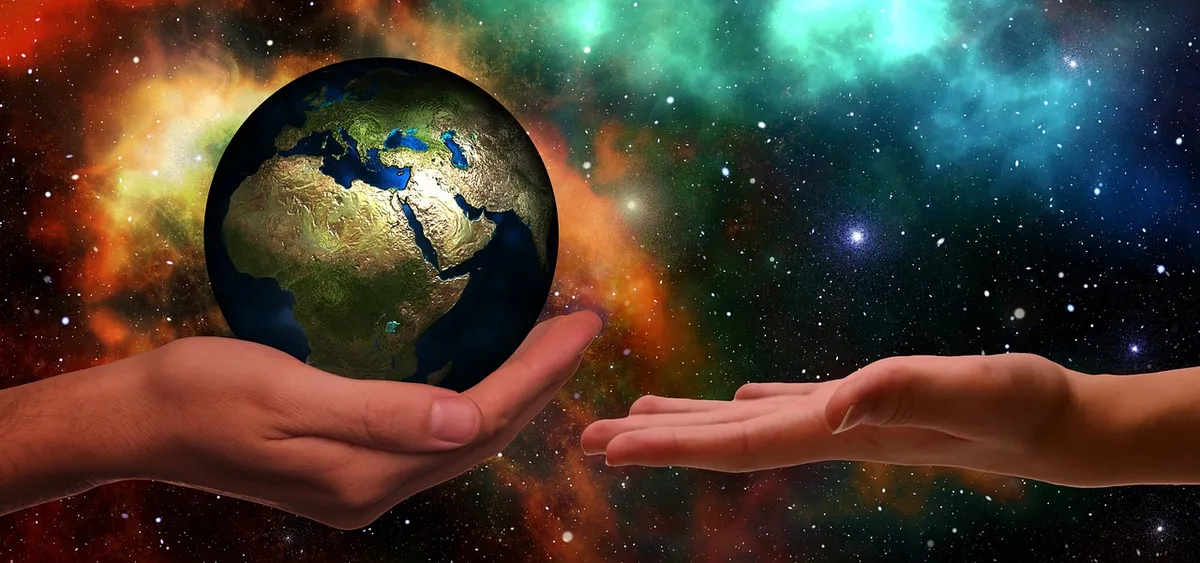
A diplomat sits in a quiet hall, reviewing a document that aims to bridge the gap between technological advancement and human rights. In 2021, UNESCO adopted the Recommendation on the Ethics of Artificial Intelligence, which serves as the first global standard on the ethics of AI.
This global standard provides a baseline for how nations approach machine intelligence. By establishing these principles, international bodies seek to ensure that technological growth does not come at the cost of human dignity.
The pursuit of AI art moral concerns involves balancing creative freedom with the protection of intellectual property. As models become more sophisticated, the need for clear guidelines becomes more pressing for creators and consumers alike.
However, the effectiveness of these frameworks is limited when local regulations conflict with international standards.
What role do industry coalitions play in AI generation ethics?
The executive leaned forward in the glass boardroom at midnight, staring at a flickering image on the screen.
A group of executives meets in a high-rise boardroom to discuss the future of digital content and legal protections.
In June 15, 2026, The Walt Disney Company teamed up with Adobe and The New York Times to create The Alliance for Responsible Innovation in the Arts & Media, a new coalition advocating for legal and policy frameworks for generative AI.
This coalition represents a significant move toward self-regulation and proactive policy-making within the creative industries. By uniting major media players, the alliance aims to shape how generative tools interact with existing legal structures.
Responsibility in AI art requires these industry leaders to address how training data and output affect the professional landscape. These efforts aim to create a sustainable environment where innovation and authorship can coexist.
However, these collaborative efforts may be less effective when individual corporate interests diverge from collective ethical goals.
How do technical advancements impact bias in AI generated images?
A researcher adjusts the parameters on a high-resolution monitor, watching as a synthetic face shifts slightly to match a reference photo. Specifically, the method achieved relative performance gains of up to 25.36% for facial similarity.
Such precision in facial consistency can be used to create highly convincing deepfakes, complicating the ability to distinguish real from fake. While these gains represent a technical achievement, they also heighten the risks of identity misuse and misinformation.
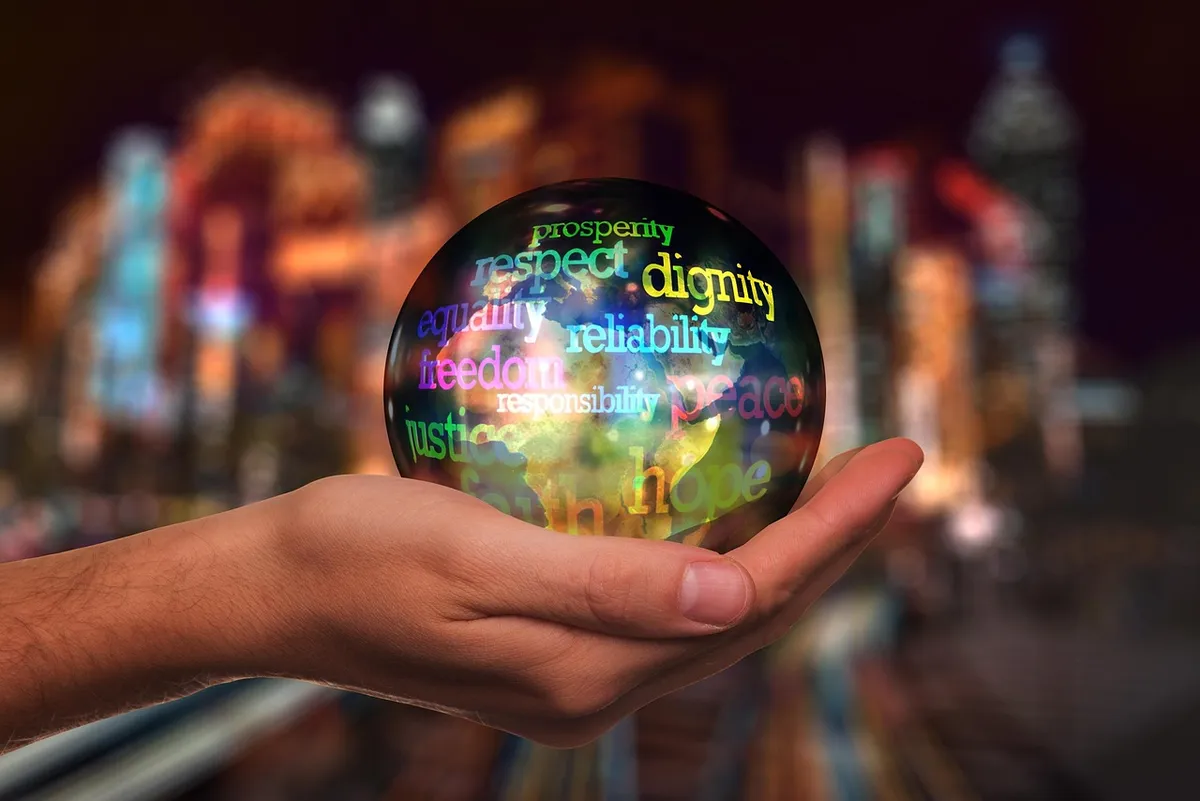
Addressing bias in AI generated images is essential as these tools become more prevalent in daily life. As the technology improves, the potential for subtle, unintended biases to be embedded in visual outputs grows.
However, technical mitigation strategies may not be sufficient when the underlying training data remains fundamentally skewed.
What are the risks regarding copyright and AI art?
An artist stares at a screen, comparing their unique style to a perfectly rendered imitation generated by a prompt. The tension between original creators and generative models is a central pillar of current legal debates.
The discussion regarding copyright and AI art often centers on the legality of using protected works for training sets. Without clear frameworks, the rights of human artists may be undermined by the scale of automated production.
Ethical AI image use involves navigating these complex ownership questions to ensure fair compensation and recognition. The industry is currently searching for a way to respect human creativity while embracing new tools.
However, legal clarity remains elusive in cases where transformative use is difficult to define.
How does the societal impact of AI art manifest in digital ecosystems?
A web administrator monitors a dashboard showing a massive surge in automated traffic hitting their servers. This sudden influx of data can strain existing digital infrastructure and alter how information is consumed.
The societal impact of AI art is often seen in the disruption of digital platforms and the strain on bandwidth. As bots collect data for training, the balance between human users and automated entities shifts.
According to Wikimedia, bots made up 35 percent of total page views but accounted for 65 percent of the most expensive requests. This imbalance highlights the resource-heavy nature of the current AI-driven data acquisition model.
However, these impacts may not be immediately apparent in closed or highly moderated digital environments.
Can we manage the technical challenges of AI generation ethics?
A technician monitors a cooling system in a data center, where the heat from massive computations requires constant management. Managing the physical and digital footprint of AI is a necessary component of ethical deployment.
The following steps outline the current approach to managing these complexities:
- Establishing legal frameworks through coalitions to define authorship and usage rights. 2. Developing global standards to provide a baseline for ethical AI behavior across borders. 3. Implementing technical safeguards to track and verify the authenticity of synthetic media.
A final check of these measures ensures that technological progress does not outpace our ability to govern it.
| Metric | Value |
|---|---|
| Facial similarity performance gain | 25.36% |
| Bot-driven expensive requests | 65% |
I observed how the precision of these tools makes the distinction between reality and synthesis increasingly difficult to maintain.
The effectiveness of these frameworks is often limited by the speed of technological change and the lack of unified global enforcement.
However, technical solutions may be limited when human subjective judgment is required to define ethical boundaries.
- How are global organizations shaping AI image ethics issues?
- What role do industry coalitions play in AI generation ethics?
- How do technical advancements impact bias in AI generated images?
The subject here is AI image ethics issues.
Related







Comments 0