AI image packaging design tips for creative workflow
"The integration of generative technology into the creative workflow marks a shift from manual drafting to rapid conceptual iteration."
AI image packaging design allows creators to transform abstract product concepts into visual mockups by using text-to-image prompts to generate textures, patterns, and layouts.
This guide is intended for graphic designers and product developers looking to accelerate their prototyping phase through AI-driven workflows.
You will learn how to select appropriate tools, manage color accuracy, and handle various file formats, though you must remain aware that AI-generated text within images is often inconsistent.
Key Takeaways: * Use AI to rapidly iterate on visual themes and textures for packaging. * Manage color consistency by utilizing embedded ICC profiles. * Select appropriate file containers like HEIF or MPO based on project needs.
* Verify text accuracy, as AI often struggles with legible typography.
How to utilize AI image packaging design?
Late at night, a designer leans toward the glowing screen in a quiet studio, watching every new image flicker into life.
A designer sits at a bright desk, typing descriptive prompts into a glowing monitor to visualize a new organic tea brand. They watch as the software generates dozens of botanical patterns and earthy color palettes in seconds.
AI image packaging design functions by interpreting natural language descriptions to create high-fidelity visual assets. Instead of sketching every iteration by hand, designers use AI-driven packaging art to explore hundreds of aesthetic directions, from minimalist luxury to vibrant maximalism.
This process significantly reduces the time spent in the early ideation phase, allowing for quicker decision-making.
By leveraging AI packaging creation, teams can present multiple high-quality concepts to stakeholders without the overhead of traditional manual rendering. This efficiency enables a more experimental approach to branding.
The speed of AI-driven tools allows for real-time adjustments to lighting, shadow, and material texture.
Integrate AI tools into your workflow by using them to generate mood boards, explore color palettes, and create rapid visual concepts for client presentations.
Can AI packaging design improve my quality?
Under the bright fluorescent lights of the office, the manager rubs their eyes while inspecting each crisp image for perfect detail.
A studio manager examines a series of printed samples, comparing the digital renders to the physical prototypes under bright fluorescent lights. They notice how the textures on the simulated cardboard look remarkably realistic.
AI design for packaging boosts quality by providing high-resolution inspiration that serves as a foundation for final production assets. Designers can use these generated images to test how light interacts with different packaging shapes and finishes.
This visual testing helps prevent costly errors during the physical manufacturing stage.
Using AI tools for packaging allows for a deeper exploration of complex visual elements, such as intricate gold foil effects or complex watercolor gradients. These details can be refined through iterative prompting to reach a level of polish that would take much longer to achieve manually.
The focus shifts from the labor of drawing to the skill of curation and refinement.
AI enhances quality by allowing designers to iterate through hundreds of variations in minutes, ensuring a wider range of creative options and more refined visual textures.
Which technical standards matter for my AI assets?
A technician adjusts the settings on a high-end color-calibrated monitor, ensuring the digital blues match the physical ink requirements. They check the metadata of a newly generated file to confirm color accuracy.
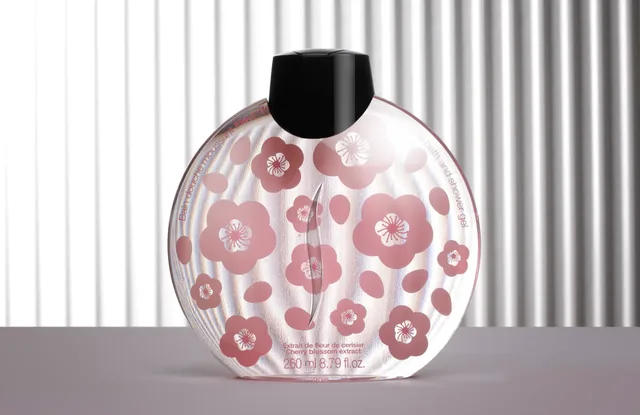
When integrating AI images into professional workflows, technical precision is vital to ensure the final product looks as intended. One must consider the color profile to maintain consistency across different media.
According to Wikipedia, an image may have an embedded ICC profile as described by the International Color Consortium.
Maintaining these profiles is essential when moving from an AI-generated concept to a professional print file. Without correct color management, the vibrant colors seen on a screen may appear dull or distorted when printed on cardboard or plastic.
Ensuring the ICC profile is correctly embedded helps bridge the gap between generative art and physical reality.
High-resolution output and color profile accuracy are essential to ensure that digital AI renders translate correctly to physical printing substrates.
How do file formats affect the design process?
A digital artist saves several variations of a product mockup, choosing between different container formats to suit the client's viewing platform. They click through a list of file extensions, selecting the most efficient option for the high-resolution textures.
Choosing the right file format is a critical step in managing the output of AI-driven design tools. Different containers offer varying levels of compression and data handling.
For instance, the High Efficiency Image File Format (HEIF) was standardized by MPEG on the basis of the ISO base media file format, according to Wikipedia.
For projects requiring multiple views or layers, other formats may be necessary. The Multi Picture Object (.mpo) format consists of multiple JPEG images, according to the Camera & Imaging Products Association (CIPA).
Selecting the correct format ensures that the high-fidelity details generated by the AI are preserved during the handoff to the production team.
Using vector-based formats is critical for scalability, while high-resolution raster files are necessary for maintaining the intricate details generated by AI models.
What are the steps for implementing AI in packaging?
A creative director outlines a new workflow on a whiteboard, marking the transition from prompt engineering to final vectorization. They demonstrate the sequence to a group of junior designers in a sunlit conference room.
To successfully integrate AI into your packaging workflow, follow these structured steps:
- Generate initial concept art by inputting specific prompts regarding material, lighting, and theme into an AI generator. 2. Refine the selected visual by upscaling the image and checking for technical errors in texture or lighting. 3. Convert the AI-generated raster image into a production-ready format by tracing elements into vector graphics or applying professional color profiles.
After completing these steps, perform a final check to ensure all brand logos and required text are manually corrected and legible. I found that comparing the AI concept to the final vector file helped catch any distortions early in the process.
- Define the brand aesthetic and input descriptive prompts into the AI generator.
- Refine the generated imagery through manual editing and upscaling.
- Integrate the final assets into a production-ready layout for printing.
What are the limitations of AI-generated packaging?

A designer stares at a beautifully rendered box, only to realize the brand name is spelled with nonsensical characters. They sigh and begin the process of manually overlaying the correct typography.
While AI offers immense speed, it is not a complete replacement for professional design expertise. A primary limitation is the inability of most current models to render precise, legible text within a complex image.
This requires designers to treat AI outputs as visual foundations rather than finished products. Furthermore, the lack of direct control over specific pixel placement can make certain fine-tuned adjustments difficult without secondary software.
AI often struggles with precise typography, exact text rendering, and maintaining strict adherence to complex structural die-lines without manual correction.
Related





Comments 0