AI GIF making limits: How to guide motion generation best
"The transition from static imagery to fluid motion represents the next frontier in generative technology, yet the path is obstructed by significant technical hurdles."
AI GIF making limits primarily stem from the difficulty of maintaining temporal consistency and structural integrity between individual frames. For creators seeking to turn static assets into motion, understanding these technical constraints is essential for managing expectations.
This guide focuses on identifying AI motion generation flaws and navigating the current limitations of the medium.
What are the limits of AI GIF making?
A designer sits before a glowing monitor, watching a sequence of generated frames flicker through a timeline. The character's face shifts slightly in every frame, creating a jarring effect known as temporal instability.
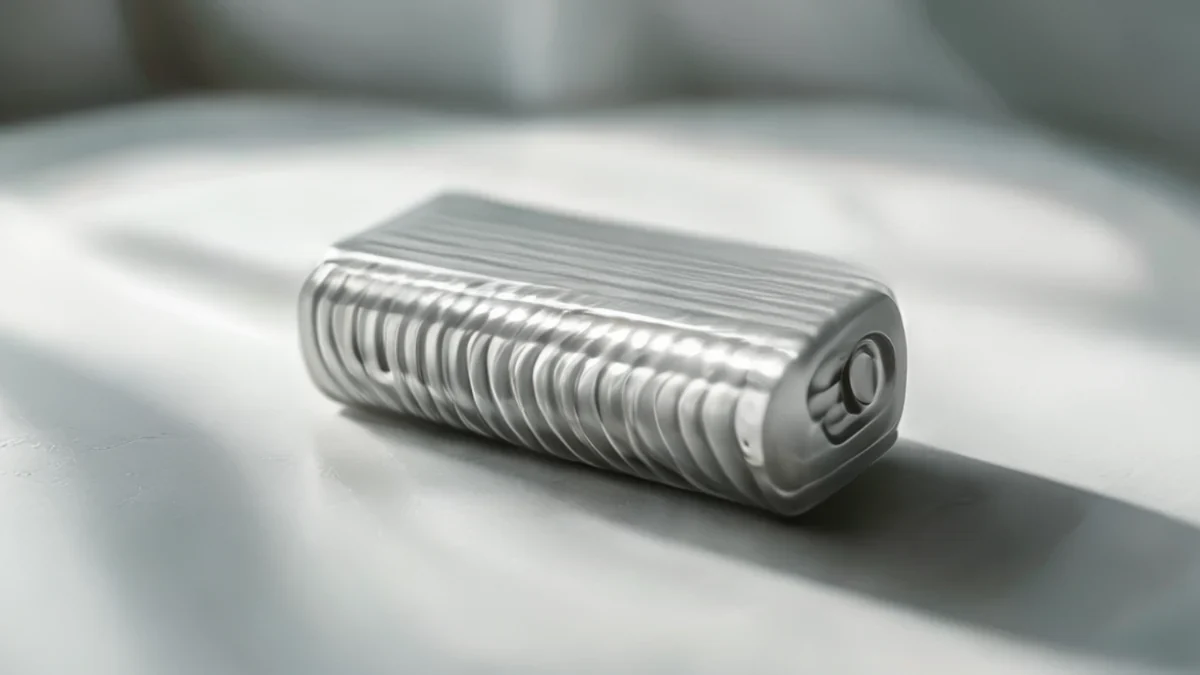
These AI image GIF issues arise when the model fails to track the exact same pixels across a moving sequence.
The fundamental struggle involves maintaining a coherent subject while the background or limbs move. When a model generates a new image for every frame, it often forgets the specific texture or color of the previous one.
This lack of persistence is a primary reason for the current AI image GIF issues. Many users experience frustration when a character's clothing changes pattern mid-animation.
The complexity of movement introduces dynamic content AI limits that many current models cannot resolve. While a single image can be hyper-realistic, the transition to a loop requires a mathematical understanding of physical continuity.
Without this, the result is a flickering mess rather than a smooth loop.
The industry faces several AI motion generation flaws that prevent professional-grade animation. These flaws include limbs appearing and disappearing or background warping as the subject moves. Such errors make high-fidelity animation difficult without significant manual intervention.
- Frame rate constraints
- Temporal consistency issues
- Resolution bottlenecks
Why do GIF creation tech hurdles persist? AI GIF making limits
In the dim office, you rub your eyes while making sense of the jagged motion on the screen.
A technician adjusts the settings on a high-end workstation, attempting to smooth out a jittery animation loop. The screen shows a person walking, but the legs appear to morph into the pavement. These specific GIF creation tech hurdles involve the model's inability to grasp 3D spatial relationships.
One major hurdle is the computational intensity required to render high-resolution sequences. Generating a single image is a snapshot in time, but creating a GIF requires calculating the relationship between hundreds of snapshots.
This leads to a loss of detail or a significant reduction in frame rate to save processing power.
I have noticed that the most significant barrier is the lack of a persistent "world model" in many generative tools. When I attempt to animate a simple object, the lighting often changes inconsistently between frames. This inconsistency breaks the illusion of a continuous video or GIF.
In this sequence, the second step is the longest.
How can we approach improving AI GIF efficiency?
At midnight in the dark room, you rub your temples while making progress on the rendering software.
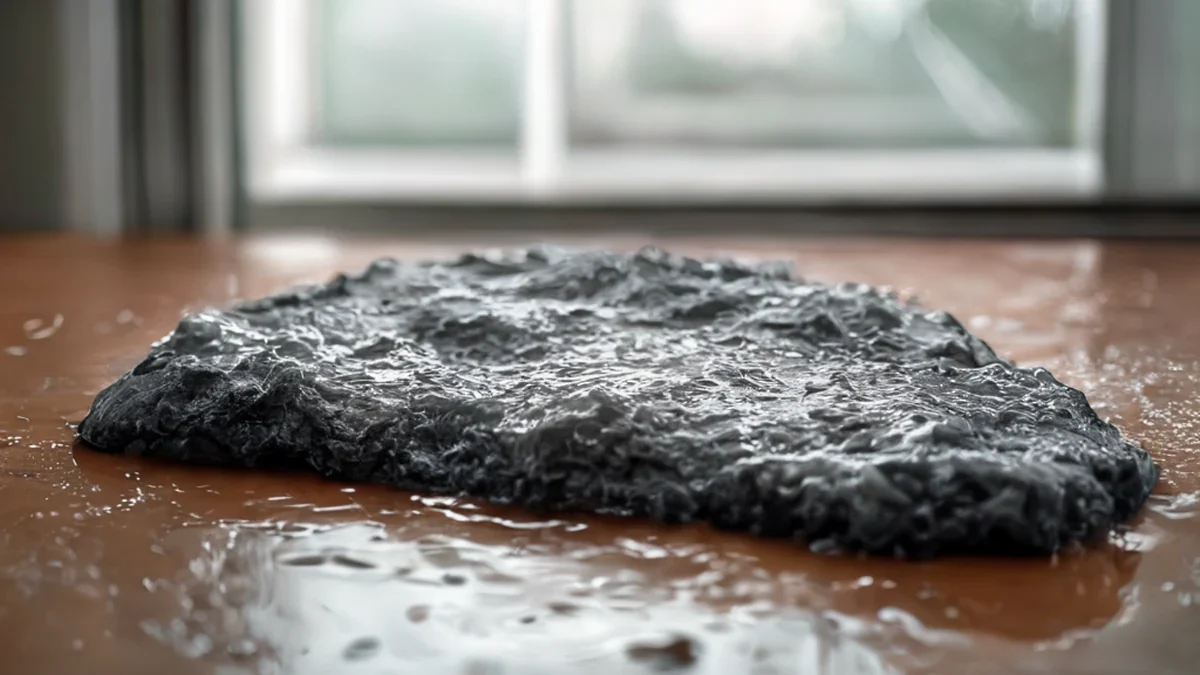
A researcher analyzes a series of data points on a tablet, looking for ways to stabilize a sequence. The goal is to find a method that requires less compute while maintaining higher visual fidelity. Improving AI GIF efficiency requires looking toward advanced architectural models.
The current approach to overcoming AI animation gaps involves using "control nets" or motion modules that provide a structural guide for the AI. By giving the model a skeletal map to follow, the AI is less likely to deviate from the intended movement.
This guidance helps bridge the gap between static intent and dynamic output.
To achieve better results, users often look toward better AI GIF rendering methods that utilize frame interpolation. Instead of generating every single frame from scratch, the AI generates keyframes and uses mathematical models to fill in the gaps.
This method reduces the workload on the processor and stabilizes the motion.
- Define the movement path using a structural guide or skeleton. 2. Generate keyframes that capture the start and end of the motion. 3. Apply interpolation techniques to fill the gaps between keyframes.
A final check ensures that the movement does not cause the subject to morph or lose its original characteristics.
How do different generation methods compare?
| Method | Primary Strength | Primary Limitation |
|---|---|---|
| Frame-by-Frame | High control over detail | High computational cost |
| Interpolation | Smooth transitions | Risk of visual artifacts |
Can AI motion be perfected?
A student watches a tutorial on a smartphone, noting how professional creators use masks to stabilize motion. The process is not a single click but a series of layered corrections. Achieving a seamless GIF requires multiple stages of refinement.
The evolution of these models suggests that the gap between static and dynamic is closing. As models incorporate more temporal data, the tendency to deviate from the subject's structure decreases. However, the technical complexity remains a significant barrier to entry for casual users.
Is temporal consistency the main issue?
Temporal consistency is the primary technical challenge, as it requires the model to remember every detail of a subject across a sequence of frames.
Does resolution affect GIF quality?
Higher resolution increases the computational burden, which often leads to more frequent errors in motion and structural integrity.
The current state of the technology is defined by a struggle for stability. While we can generate stunning individual images, the transition to smooth, looping GIFs remains limited by the fundamental difficulty of maintaining temporal consistency.

The subject here is AI GIF making limits.
How can we overcome the transition from static to motion?
Improving the transition from static images to fluid motion requires addressing the mathematical understanding of physical continuity. This process involves several stages of refinement to prevent a flickering mess.
- Use a structural guide to prevent limbs from appearing or disappearing. 2. Generate keyframes to establish the movement path. 3. Apply interpolation to fill gaps between keyframes to reduce the workload on the processor.
If the model fails to track the exact same pixels, the result is temporal instability. This instability occurs when the model forgets the specific texture or color of the previous frame.
Related




Comments 0