AI poster design guide: How AI boosts poster quality
"The placement of the Kitchener posters including Alfred Leete's design has been examined and questioned following an Imperial War Museum publication in 1997."
AI poster design guide techniques focus on transforming abstract concepts into visual assets that resonate with specific demographics. By utilizing artificial intelligence, creators can bridge the gap between raw data and user-centric aesthetics to improve both efficiency and visual quality.
This guide is for designers looking to optimize layout, scale, and thematic relevance, though it cannot replace the nuanced historical context required for sensitive propaganda-style imagery.
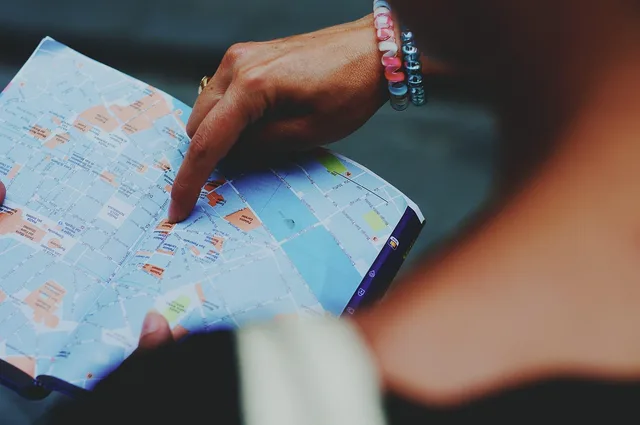
* Leverage AI to determine optimal dimensions for specific settings. * Use generative tools to match the vibrancy and scale of the medium. * Align visual themes with the intended emotional response of the audience.
How can AI improve an AI poster design guide?
At dusk in the dim studio, a designer taps the screen to watch the colors of the poster glow with newfound warmth.
A designer sits at a glowing monitor, typing prompts to adjust the saturation of a digital canvas. They are looking for ways to ensure the output matches the physical requirements of the space, such as a cafeteria or a library.
Using an AI poster design guide allows for the rapid prototyping of layouts that respect the intended environment.
Effective design requires understanding that different environments demand different scales.
AI can simulate these specific dimensions to ensure readability.
Implementing an AI poster design guide involves several steps to ensure the final product meets user needs. I found that testing digital mockups in various lighting conditions helps predict how a user will perceive the color.
- Define the physical constraints of the display area, such as a classroom or a public hall. 2. Input the specific dimensions into the AI generator to maintain aspect ratio integrity. 3. Adjust the vibrancy settings to ensure the poster remains visible from a distance.
After completing these steps, check the final render against a physical scale to ensure it does not violate the intended size constraints.
However, AI-generated suggestions may lack the nuanced cultural context required for highly specific local audiences.
What makes user focused AI posters effective?
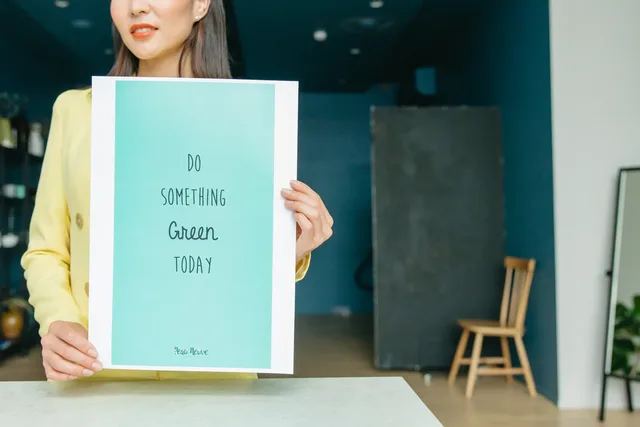
A creator drags a slider on a tablet, watching as the colors of a boxing-themed layout shift from dull to neon. They are attempting to achieve the high-energy look necessary for sports advertisements.
Creating user focused AI posters means prioritizing the visual hierarchy that a viewer expects in a specific context.
The effectiveness of a poster often relies on its scale and visual impact relative to its subject. Boxing posters, for example, vary in size and vibrancy but are not usually smaller than 18x22 inches. AI can be used to generate high-resolution textures that prevent pixelation at these larger scales.
When working with user focused AI posters, the goal is to minimize the cognitive load on the viewer. This is achieved by using AI to create clean lines and focal points that guide the eye toward the primary message.
However, effectiveness is limited if the AI-generated visuals clash with the intended emotional tone of the target demographic.
How do I use AI image poster tips for better layouts?
An artist adjusts the vertical alignment of a text block on a digital screen, ensuring it fits within a narrow column. They are mimicking the constraints of traditional newspaper advertising to create a modern digital look.
Applying AI image poster tips helps designers navigate the transition from digital drafts to physical prints.
Designers can use AI to mimic historical layout constraints for a vintage aesthetic. In certain historical contexts, recruiting advertisements ran vertically, 11 inches wide and two columns wide. AI can be trained to replicate these specific proportions to achieve an authentic look.
Using AI image poster tips allows for better management of negative space. By prompting the AI to "emphasize whitespace," a designer can prevent a poster from feeling cluttered, which is essential for quick-read environments like transit hubs or hallways.
- Input your core design concept into the AI tool to generate initial composition ideas.
- Refine the generated layouts by adjusting element placement and scale.
- Integrate manual design adjustments to ensure professional alignment and balance.
Can AI tech for poster design handle different themes?
A researcher scrolls through a database of historical imagery, comparing wartime graphics to modern commercial art. They are looking for ways to use AI tech for poster design to replicate specific historical moods.
The versatility of AI allows for the simulation of various artistic eras and propaganda styles.
The ability to simulate historical styles is a core strength of modern tools. Some iconic representations of the Great Patriotic War were produced as propaganda posters in the Soviet Union.
AI can analyze these patterns to help designers create themed content that evokes specific historical or emotional responses.
The use of AI tech for poster design is not limited to modern aesthetics. It can bridge the gap between contemporary needs and classical compositions, allowing for a wide range of thematic applications.
However, the technology may struggle to maintain stylistic consistency when switching between vastly different aesthetic genres.
How does AI boost poster quality?
A technician zooms into a high-resolution file, checking the edges of a digital illustration for sharpness. They are verifying that the AI-enhanced details are crisp enough for large-scale printing. Understanding how AI boosts poster quality involves mastering the balance between detail and clarity.
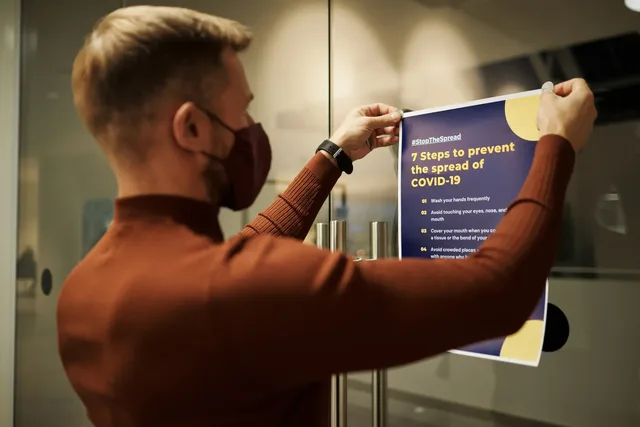
Quality is often a matter of resolution and the precision of the visual elements. While some historical designs have been questioned regarding their placement or original intent, modern AI allows for the precise replication of textures.
This ensures that the visual "event" of the poster is intentional and well-executed.
Improving poster efficiency with AI means reducing the time spent on repetitive tasks like color grading or background removal. This allows the designer to focus more on the conceptual and user-centric aspects of the project.
However, the quality boost is limited if the initial input prompts lack sufficient detail or clarity.
The same subject is also called Efficient poster making AI.
How AI boosts poster quality
Related






Comments 0