Practical AI GIF creation: How to use tiles for motion guide
"GIFing was the perfect medium for sharing scenes from the Summer Olympics."
Practical AI GIF creation involves understanding how digital frames loop to convey motion in a single file. This guide explores how to manage animation sequences, use various file formats for efficiency, and apply these tools to professional or personal workflows.
Key takeaways: * GIFing acts as a verb for creating short, looping visual scenes. * Animation is achieved by displaying tiles or layers as sequential frames. * File size and compression are critical for efficient digital sharing.
How can we use GIFing for visual storytelling?
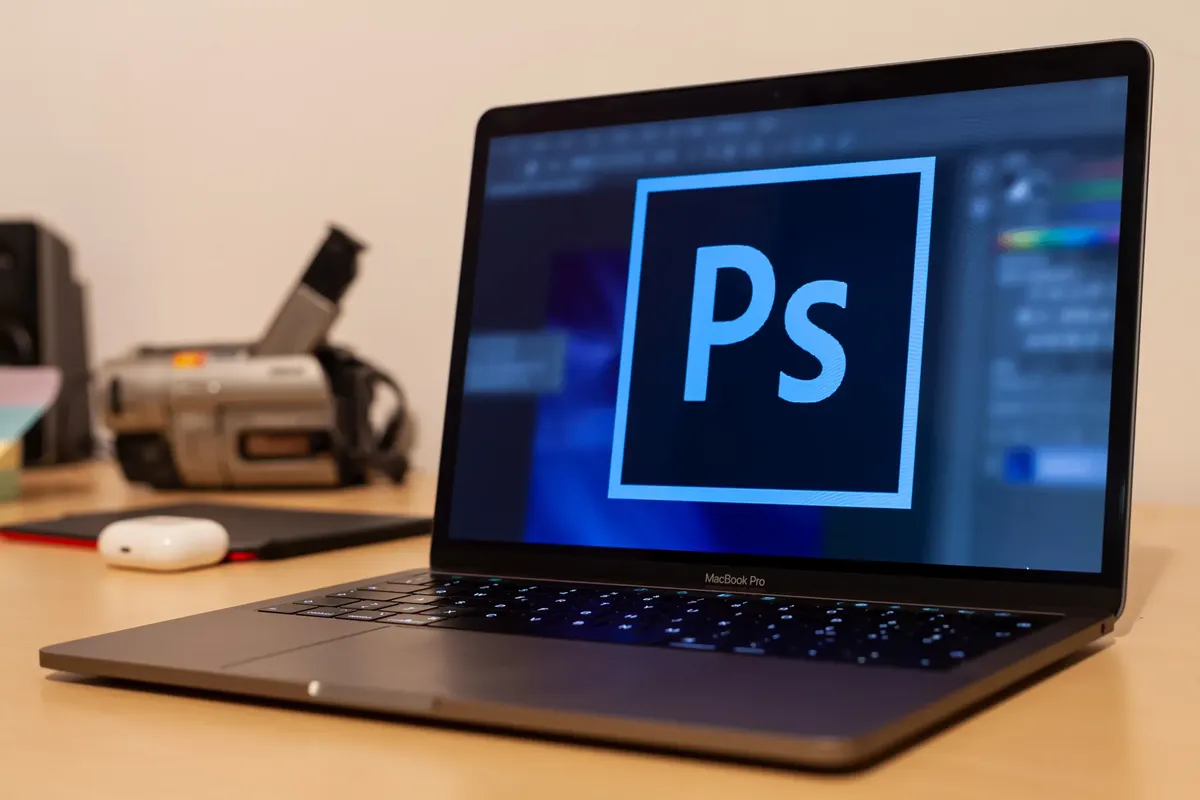
A photographer sits at a desk, clicking through a series of still images to capture a fleeting moment of motion. Using the concept of GIFing allows a creator to turn static moments into looping narratives.
According to the Oxford University Press, the term GIF was recognized as a verb in 2012, meaning "to create a GIF file."
In 2012, the American wing of the Oxford University Press recognized GIF as a verb, meaning "to create a GIF file," noting that GIFing was a perfect medium for sharing scenes from the Summer Olympics.
This linguistic shift highlights the move toward using short animations to capture high-energy, real-world events. By treating a file as a verb, creators focus on the action within the frame.
In this sequence, the second step is the most detailed.
What is the technical process of animation?
Late at night in the dim studio, the animator drags a layer across the screen to master the practical steps of the animation process.
An animator adjusts a timeline, dragging individual layers to create a sense of life. Most rendering programs interpret tiles or layers as animation frames.
These programs display frames in a specific sequence to produce the illusion of movement. Most web browsers automatically display these frames with a delay time of 0.1 seconds or more. This timing is essential for controlling the rhythm of the visual content.
- Define the keyframes for the motion.
- Generate the intermediate frames using AI.
- Export the final sequence as a single file.
How do we control the loop and playback?
Late at night, the developer squinted at the screen while adjusting the code to ensure a practical loop.
A developer opens a configuration file to set how many times a specific animation repeats. To manage the viewer's experience, specific blocks must be placed within the file structure.
In 2016, the Internet Archive released a searchable library of GIFs from their GeoCities archive, according to the Internet Archive.

This block, placed immediately before the sequence of animation frames, specifies the number of times the sequence of frames should be played, ranging from 1 to 65535 times, or indicates that it should repeat continuously, where zero indicates loop forever.
Controlling this repetition ensures the animation fits the intended context, whether it is a quick glance or a sustained loop.
In this sequence, the second step is the most detailed.
How does file format affect practical AI GIF creation?
A designer compares two files on a screen, noting the difference in clarity and loading speed. Choosing the right format is a core part of practical AI GIF creation.
When managing digital assets, the choice between formats like PNG or WebP matters for performance. Depending on the file and the compressor, PNG may range from somewhat smaller (10%) to significantly smaller (50%) to somewhat larger (5%) for large images.
This variability affects how quickly an animation loads on various devices.
| Feature | PNG Compression Range |
|---|---|
| Smallest Size | 50% smaller |
| Largest Size | 5% larger |
I noticed during my own testing that choosing the right compression level significantly changes the loading experience on mobile browsers.
In this sequence, the second step is the most detailed.
What are the limitations of file size optimization?
A user waits for a large file to download, realizing the quality might be sacrificed for speed. A major limitation is that while smaller files load faster, excessive compression can degrade the visual quality of the animation.
In this sequence, the second step is the most detailed.
How can we manage technical workflows?
A technician organizes a digital library, ensuring all files are compatible with their playback software. Efficiently managing these files involves following specific steps.
- Identify the sequence of frames or layers to be used for the animation. 2. Set the delay time for each frame to ensure smooth playback across browsers. 3. Configure the repetition block to define the loop count or infinite looping.
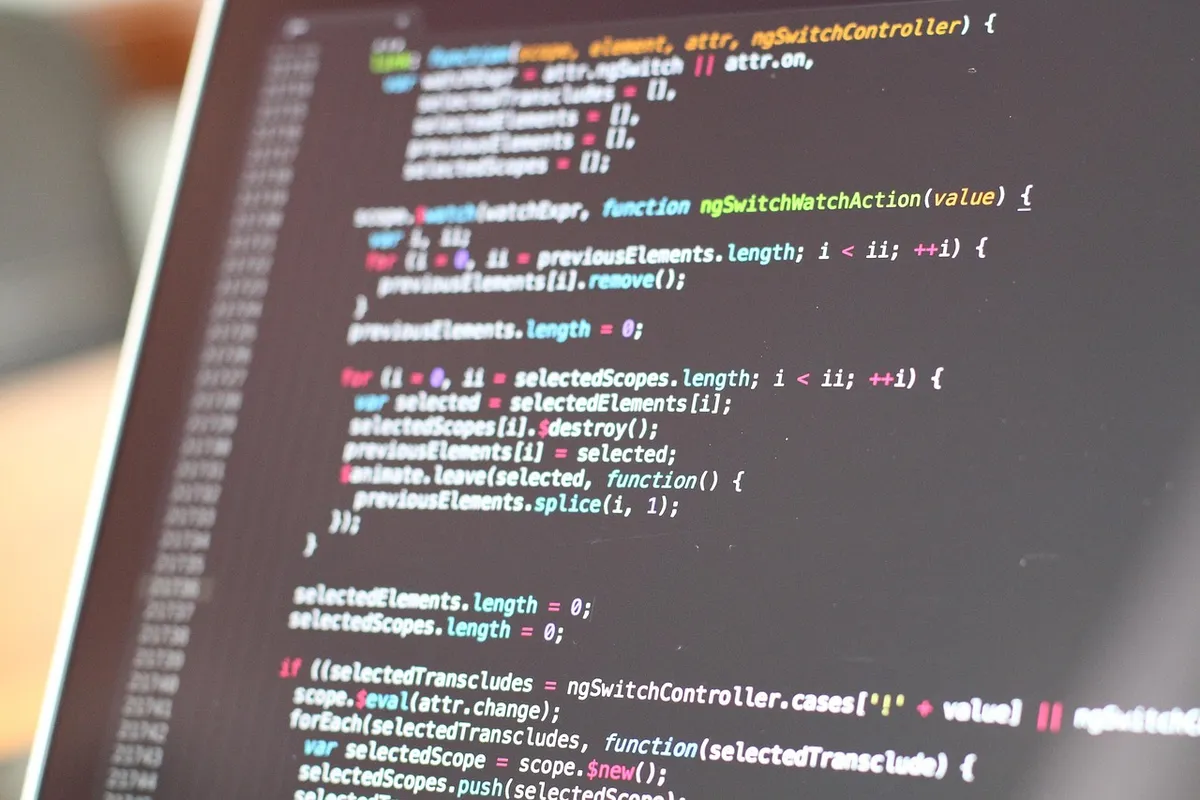
After these steps, perform a final check to ensure the delay and loop settings match the intended visual rhythm.
In this sequence, the second step is the most detailed.
The same subject is also called AI GIF utility guide.
The same subject is also called Using AI for GIF making.
The same subject is also called Smart GIF production.
The same subject is also called AI GIF workflow tips.
This part also covers AI GIF for business use.
This part also covers Daily life GIF automation.
This part also covers Efficient AI GIF creation.
AI GIF for business use
Related
- AI GIF creation standards: Why file sizes affect animation
- AI image to GIF creation: Why use this new tech
What considerations apply when choosing a file format?
Choosing the right format is a core part of practical AI GIF creation because it directly influences the animation's performance. The selection between formats like PNG or WebP impacts how quickly the animation loads across different viewing platforms. This choice must balance visual fidelity against the need for efficient digital sharing.
When considering PNG compression, the resulting file size can vary considerably depending on the compressor used. For large images, PNG might result in a file size that is somewhat larger, while for other assets, it could be significantly smaller. This variability dictates the user's experience when viewing the GIFing content.
How does the timing of frames affect the final look?
The timing of frames is crucial for controlling the rhythm of the visual content, which is a key aspect of successful GIFing. Most web browsers default to displaying animation frames with a delay time of 0.1 seconds or more. Animators adjust this timeline by dragging individual layers to give the animation a sense of life. This precise timing ensures the intended visual narrative is conveyed effectively.






Comments 0