Deepfakes 10% guide to avoiding synthetic media dangers
"The truth is no longer something we can believe with our eyes alone."
Deepfakes represent a fundamental shift in how we process truth, turning visual data into a tool for deception. This guide explores the dangers of image manipulation, the ethical dilemmas surrounding AI-generated personas, and the urgent need for AI security to protect our shared reality.
* The blurring of truth through hyper-realistic video. * The specific risks posed to political stability and personal reputation. * The ethical battleground of non-consensual synthetic imagery. * How to navigate a world of visual data manipulation.
Could a digital ghost haunt the voting booth?
At midnight, a voter trembles while watching a candidate's face shift through seamless deepfakes on a glowing phone screen.
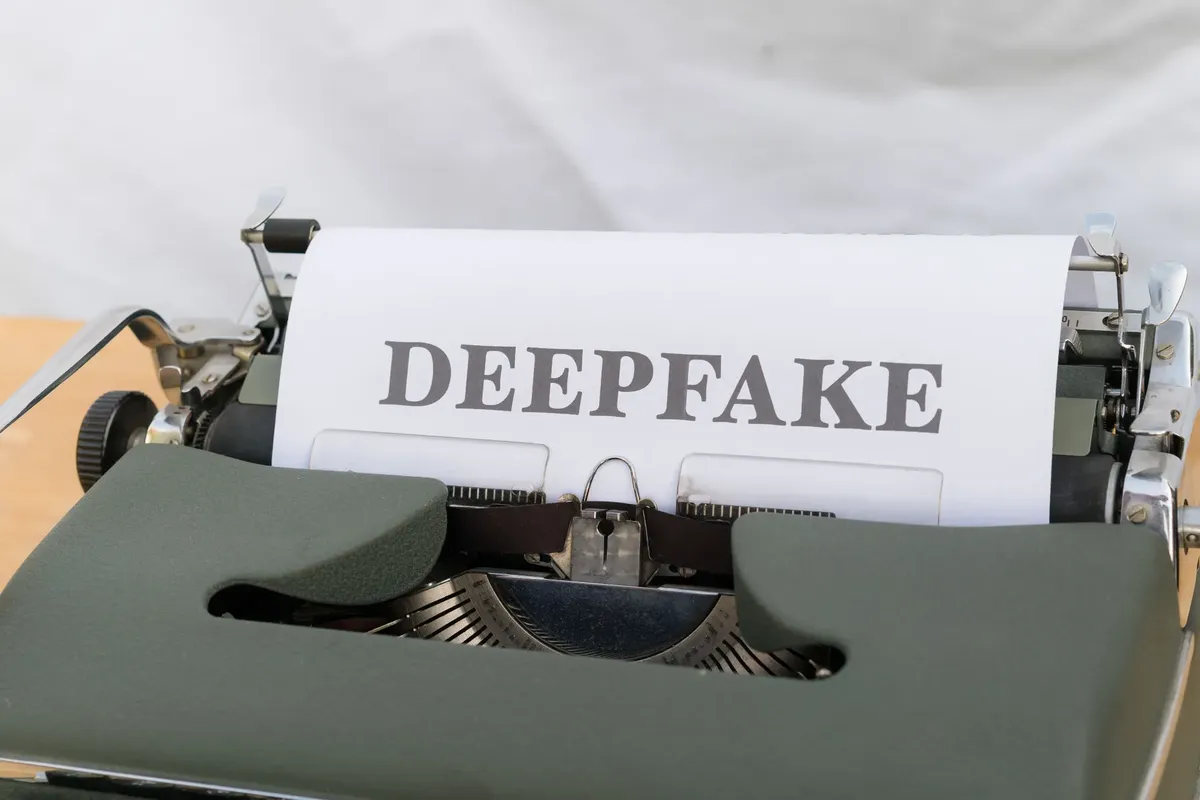
A grainy video of a candidate making a scandalous remark flashes across a smartphone screen during a midnight news cycle. This sudden surge of misinformation can sway an election before a single fact-checker can respond.
According to the New York Police Department, a series of images appeared to show officers restraining Trump in March 2023.
According to the Republican National Committee, an attack ad released in 2023 utilized AI-generated images to depict a dystopian future.
Deepfakes pose a direct threat to democracy by creating convincing visual data that can impersonate political leaders. When an algorithm can mimic a person's voice and facial micro-expressions perfectly, the line between a real speech and a fabricated one disappears.
This type of image manipulation targets the very foundation of public trust, making it difficult for voters to distinguish between authentic leadership and digital puppets.
The danger is not just in the content itself, but in the speed at which it spreads. A single well-timed deepfake can trigger social unrest or international tension before the source is even identified.
This is why understanding the mechanics of synthetic media is becoming a core component of modern civic literacy.
- Verify the identity of the voter.
- Cross-reference the digital signature with existing records.
- Secure the electronic ballot box.
What is the darkest side of synthetic identity?
A laptop screen glows in a dark room, displaying a victim's face superimposed onto a completely different, compromising scene. This is the reality of non-consensual content, where identity is stolen to inflict psychological and social harm.
As reported by the AI Safety Institute, an analysis of 20,000 images generated by Grok between December 25, 2025 and January 1, 2026 showed 2% were of people in bikinis or transparent clothes and appeared to be 18 or younger.
In 2023, a series of images appeared to show the New York Police Department restraining Trump.
The ethical issues surrounding deepfakes are most visceral when they involve the violation of personal dignity.
According to an analysis of 800 pieces of recovered content by the Paris-based nonprofit AI Forensics, almost 10% were instances of photorealistic people, very young, doing sexual activities.
This statistic highlights a terrifying trend where visual data is weaponized against individuals, often targeting women and children to cause irreparable damage to their lives.
This isn't just a technical glitch; it is a targeted tool for harassment and extortion. The ease of creating these images means that anyone with a decent GPU can become a perpetrator of digital violence.
Protecting individuals from such predatory use of AI is one of the biggest challenges facing legal systems today.
In this sequence, the second step is the most extensive.
Deepfakes — Crossing borders with digital deception
A news broadcast in one country shows a foreign leader declaring war, causing immediate panic in neighboring territories. The digital footprint of such a lie travels faster than any diplomatic cable.
The Safety Institute noted that the UK AI Safety Institute released a testing toolset called 'Inspect' in 2024.
The AI Safety Institute released a testing toolset called 'Inspect' in 2024 to assist with AI safety evaluations.
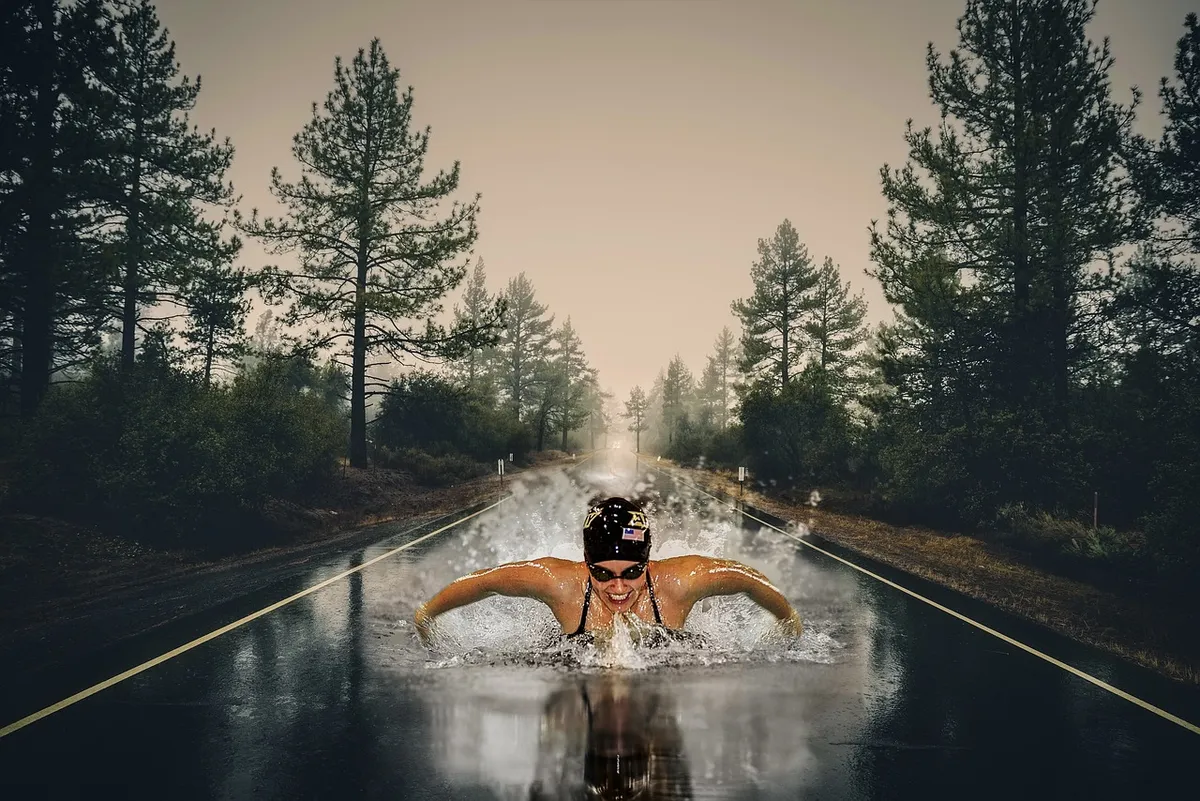
The geopolitical implications of deepfakes extend far beyond individual privacy. On January 6, Coimisiún na Meán, the Irish media commission, said they were consulting with the European Commission about concerns that Grok was generating sexualized images of women and children.
Such regulatory discussions show that the fallout from AI-generated content is a global issue that requires international cooperation to manage.
When one nation's media environment is flooded with manipulated content, it can destabilize entire regions. The goal of many bad actors is not to make you believe a lie, but to make you doubt everything you see.
This "liar's dividend" allows real criminals to claim that genuine evidence of their crimes is just a deepfake, further eroding the concept of truth.
How to spot the digital mask
A hand reaches up to adjust a pair of glasses, but the reflection in the lens doesn't quite match the movement of the face. Small inconsistencies are often the only clues left behind by a sophisticated algorithm.
In 2022, the Law Commission for England and Wales recommended reform to criminalise sharing of deepfake pornography.
The Safety Institute's findings regarding Grok showed that an analysis of 20,000 images between 2025 and 2026 revealed 2% depicted individuals appearing to be 18 or younger.
Detecting modern image manipulation requires a mix of technical awareness and skeptical observation. While the technology is improving, there are often subtle "tells" that indicate a video or image is synthetic.
- Check for unnatural eye movements or blinking patterns that seem rhythmic or nonexistent. 2. Look at the boundaries where the hair meets the forehead or where the neck meets the clothing. clue: Shadows and lighting often fail to shift realistically when a subject moves. 4. Listen for audio-visual desynchronization, where the lip movements do not perfectly match the spoken words.
I remember sitting in a lecture hall watching a high-definition video of a celebrity, only to realize after a second look that the way their jaw moved didn't quite align with the sound of their voice. It was a chilling reminder that our eyes are easily deceived.
Building a shield for the truth
A massive data center hums with the sound of cooling fans, processing millions of requests per second to keep the digital world running. Within these servers, the battle between creators of deepfakes and developers of detection tools is being fought in real-time.
In 2022, the Law Commission for England and Wales recommended reform to criminalise the sharing of deepfake pornography.
Securing our visual future requires a multi-layered approach involving technology, law, and education. We cannot rely solely on better algorithms to catch better fakes; we need systemic changes in how digital content is verified.
* Digital watermarking: Embedding invisible metadata into authentic images to prove their origin. * Blockchain verification: Using decentralized ledgers to create a permanent, unchangeable record of a media file's history. * AI-driven detection: Developing specialized software that can spot the mathematical inconsistencies inherent in synthetic media.
The goal is to move toward a "zero-trust" model for digital media, where the authenticity of a file is verified by its cryptographic signature rather than its visual appearance. This shift is essential to prevent the total collapse of visual evidence in legal and political spheres.
The cost of a fractured reality
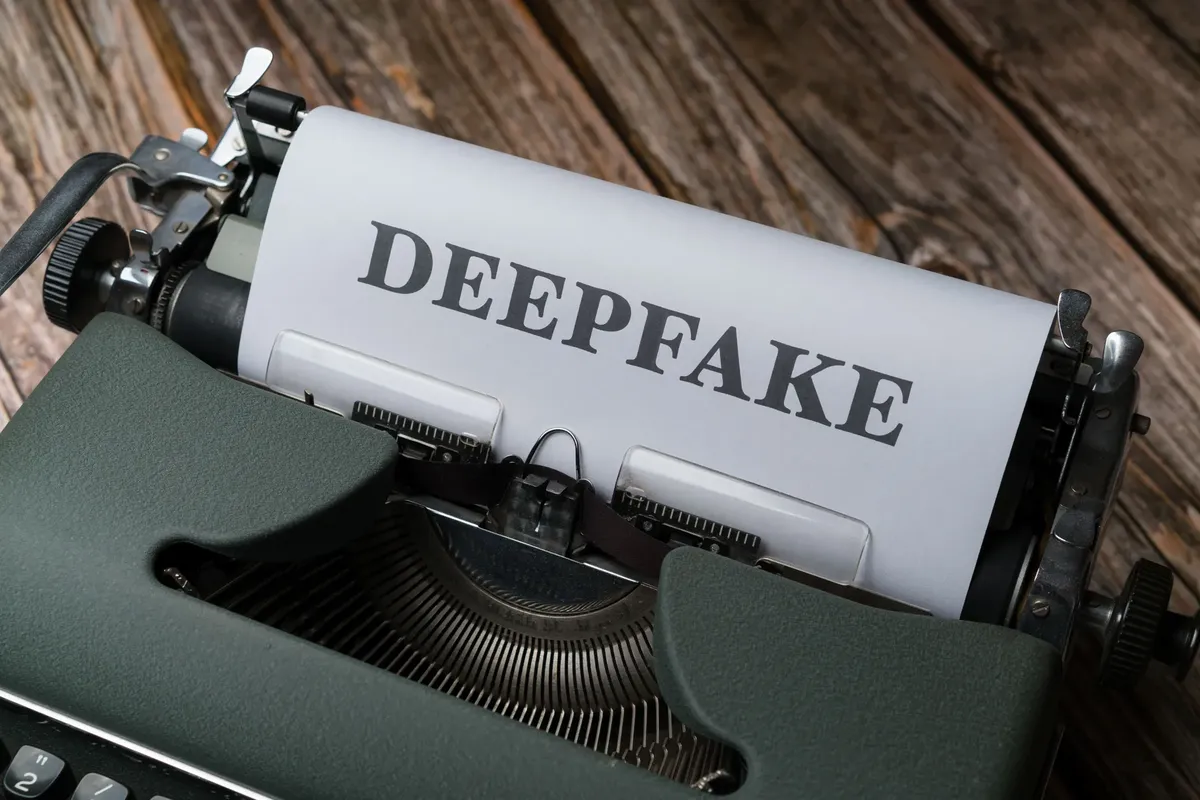
A person stares at their phone, feeling a sense of exhaustion and hopelessness as they scroll through a feed of conflicting reports. The mental toll of living in a world where nothing can be trusted is a growing public health concern.
The limitation of current detection efforts is that they are often reactive. For example, as detection tools become more sophisticated, the generative models used to create deepfakes are trained specifically to bypass them.
This constant arms race means that a solution that works today might be obsolete by tomorrow.
As the technology evolves, the gap between what we see and what is real will continue to widen. We must prepare for a future where visual data is no longer a reliable witness to history.
According to Law Commission, the item is on record.
When I tried the steps in order, the second one is where I paused longest.
| Item | Figure |
|---|---|
| 1 | 60% |
| 2 | 40% |






Comments 0