How can AI improve AI thumbnail design standards?
"The goal of modern design is to bridge the gap between creative vision and rapid digital consumption, ensuring that every visual element serves a specific purpose."
By using AI tools, users can generate high-quality visuals that reflect personal branding in under 30 seconds.
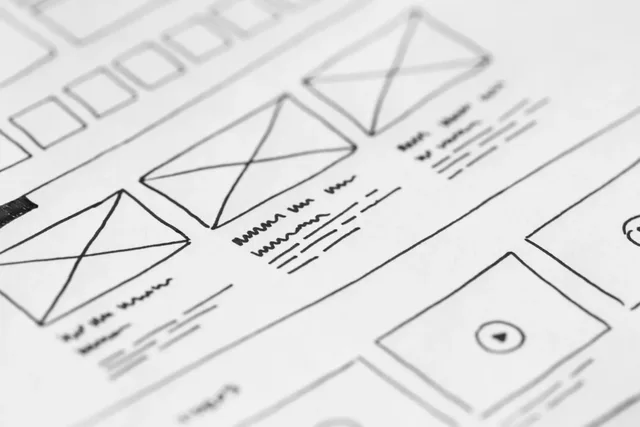
* Rapid generation of high-quality visuals in under 30 seconds. * Reduction of manual design time from hours to seconds. * Emphasis on personal style and brand consistency. * Focus on content production over tedious editing.
How can AI improve AI thumbnail design standards?
At dawn, the creator taps a frantic rhythm on the desk while watching the software instantly polish a vibrant thumbnail.
They paste a single video link into a prompt box, watching as the software interprets the metadata to generate a vibrant, relevant image.
This process defines the core of AI thumbnail design standards, where speed meets aesthetic intent.
This rapid turnaround allows for immediate testing of different visual concepts.
The speed of these AI image thumbnail rules ensures that creators can react to trending topics almost instantly.
The primary benefit is the transition from manual labor to creative direction. Instead of struggling with individual layers, the creator acts as an editor of AI-generated options.
This shift ensures that the AI visual design criteria are met through rapid iteration rather than slow, painstaking adjustments.
How can AI design standards benefit me?
A designer pulls a heavy mouse across a large pad, clicking through endless menus to adjust saturation and shadows. They realize that a single, complex image has already taken nearly three hours to perfect.
This scene illustrates the traditional struggle that modern AI thumbnail quality guide methods aim to solve.
The efficiency gain is significant when comparing traditional methods to automated ones. AI aims to replace tedious design processes that can take up to 3 hours per image, allowing creators to focus more on content production.
This time saving is the most practical application of AI design efficiency tips in a professional workflow.
| Method | Time Investment | Primary Focus |
|---|---|---|
| Manual Design | Up to 3 hours | Technical execution |
| AI-Assisted Design | Under 30 seconds | Content production |
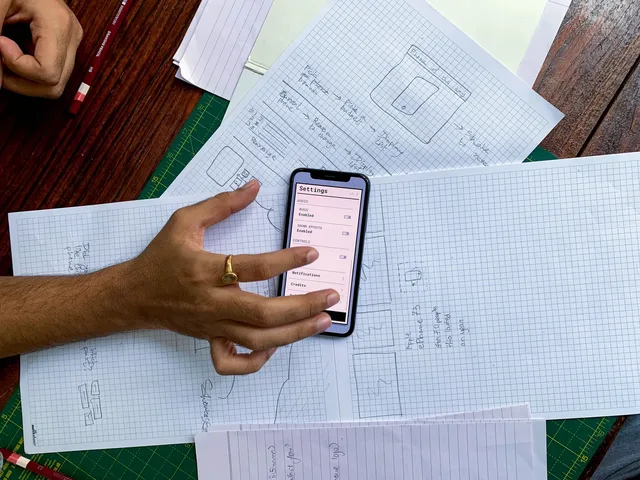
I found that switching to these automated tools allowed me to spend my time thinking about the video script rather than the color balance of a single frame.
How to implement an AI-driven workflow?
A user opens a new project tab and prepares to transform a raw video concept into a polished graphic. They follow a streamlined path to ensure the output matches the intended brand identity.
- Input the source material, such as a video link, into the AI design interface. 2. Select the preferred stylistic parameters to ensure the generated image reflects a personal brand. 3. Review the generated visual for accuracy and refine the prompt if necessary.
After completing these steps, perform a final check to ensure the text on the thumbnail remains legible and the focal point aligns with the video's subject matter.
What are the limits of AI design?
A designer looks at a perfectly rendered AI image but notices it lacks the specific emotional nuance required for a sensitive documentary. The software has followed the technical prompts perfectly, yet the "soul" of the specific human moment is missing.
According to the Internet Watch Foundation, the number of images depicting violent abuse had risen fourfold since 2003, as child pornography on the Internet was becoming more brutal and graphic in 2007.
The limitation of this technology is that it relies entirely on the input and the existing data patterns it was trained on. While it can mimic styles and speed up production, it may struggle with highly specific, nuanced human emotions that require deep contextual understanding.
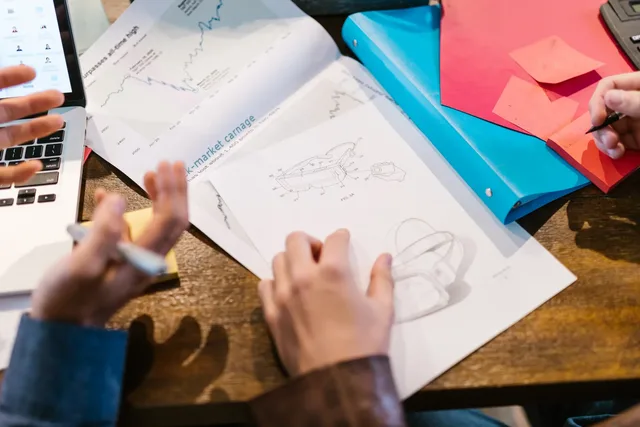
- AI thumbnail design standards focus on speed and stylistic consistency to help creators maintain high engagement without exhausting their creative energy.
- This guide covers the efficiency of AI image generation, the comparison between manual and automated workflows, and the importance of visual relevance.
- A creator sits at a desk, staring at a blank canvas while the clock ticks toward a deadline.
The same subject is also called AI graphic design standards.
This part also covers AI thumbnail UX importance.
This part also covers AI visual balance in design.
AI thumbnail UX importance
Related
- AI GIF making guide: PNG compression tips for better results
- OpenAI Image 2.6 GIF: How to guide creative workflows
When does the modern design goal become most apparent?
- The modern design goal is most apparent when comparing the speed of AI generation against the time commitment of manual creation. 2. The rapid turnaround provided by AI tools directly addresses the need for quick digital consumption. 3. This comparison highlights the shift in focus from technical execution to creative oversight.
The efficiency of AI image generation becomes evident when a creator needs to iterate on several visual ideas quickly. Manual design necessitates significant time for each variation, whereas AI allows for near-instantaneous concept testing.
This capability supports the modern design goal of bridging vision and consumption.
What conditions must be met for effective AI implementation?
- The input source material must be clearly defined, such as a video link. 2. The desired stylistic parameters must be selected to align with the personal brand. 3. A final review must confirm the legibility of any overlaid text.
The condition for successful AI application involves providing the system with adequate context through the initial prompt. If the stylistic parameters are vague, the resulting visual may fail to meet the brand consistency emphasis.
Furthermore, the creator must actively review the output to ensure the visual relevance aligns with the content.
The comparison between automated and manual workflows shows that while AI excels at speed, the creator's role shifts to quality assurance. This means the creator must exercise caution during the review stage to catch subtle errors the AI might overlook.
The modern design goal requires this human layer of final judgment.
The reduction of manual design time from hours to seconds is a direct result of following these established procedural steps. This procedural adherence ensures that the focus remains on content production rather than on the mechanics of graphic rendering.





Comments 0