AI image generation for small business: Guide to save time
Small businesses often struggle with the high costs and slow turnaround of traditional graphic design. Utilizing AI image generation for small business needs can bridge the gap between limited budgets and professional visual requirements. This guide explores how to integrate these tools into a streamlined workflow to save time and resources.
Key takeaways: * Automate repetitive visual tasks to free up creative energy. * Use specialized AI tools to maintain brand consistency without a full-time designer. * Focus on prompt engineering to direct specific visual outcomes.
How can AI image generation for small business improve efficiency?
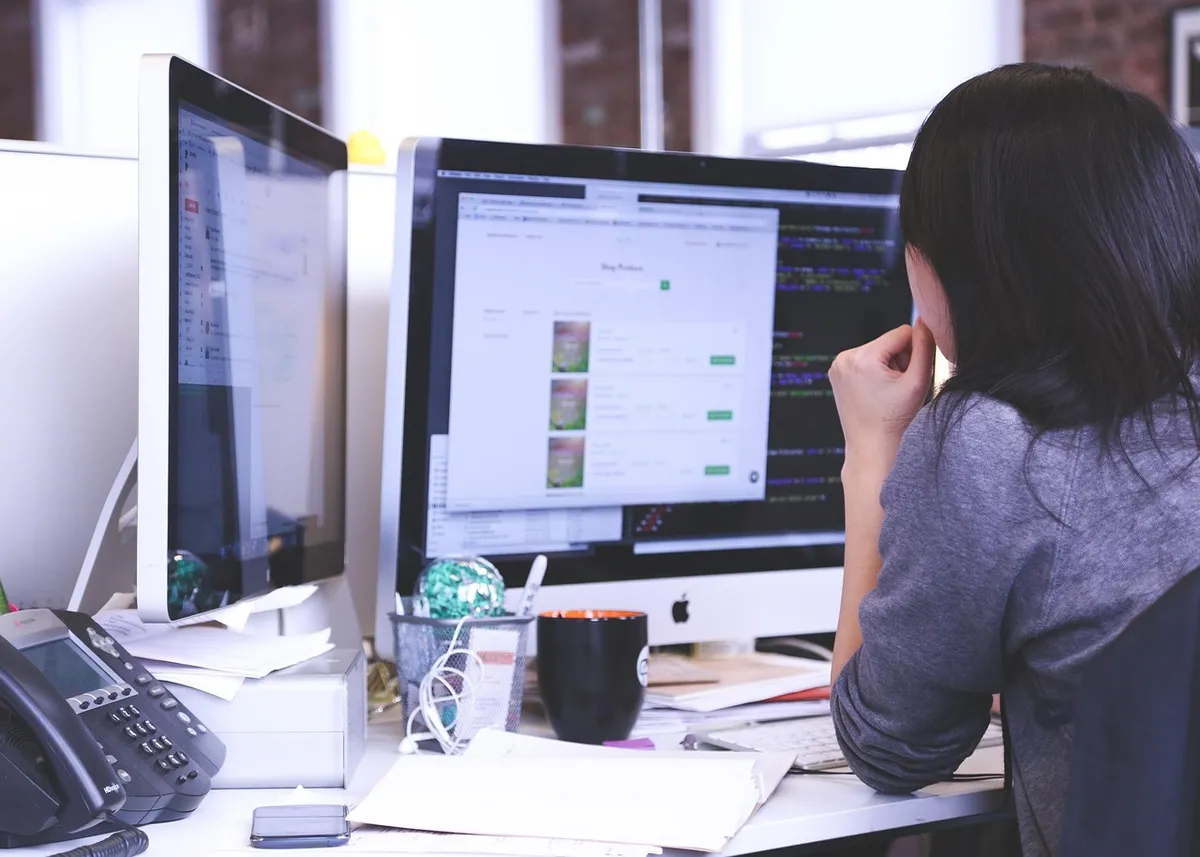
At the cluttered desk, the owner taps a key and watches an image bloom onto the screen in an instant.
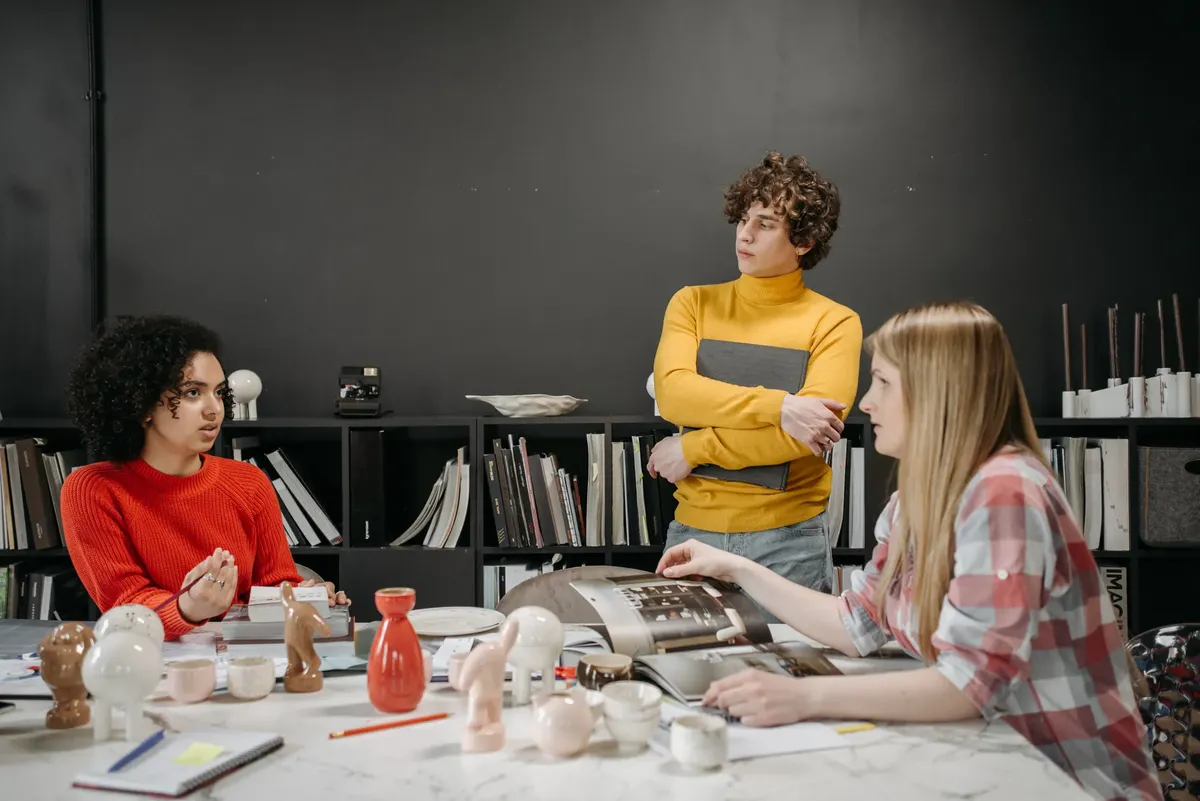
The office desk sits cluttered with various branding assets and marketing drafts waiting for professional polish. A business owner sits at the computer, typing descriptive prompts to transform abstract ideas into concrete visual concepts instantly.
Implementing AI design for small teams allows for rapid prototyping of marketing materials. Rather than waiting days for a designer to deliver a concept, a small team can generate multiple variations in minutes to find the right direction.
This speed ensures that social media or promotional campaigns are never delayed by design bottlenecks.
Small biz visual creation AI provides a way to maintain a steady stream of content without constant outsourcing. By mastering the software, a team can produce high-quality backgrounds, icons, or illustrative elements that fit their specific brand identity.
This self-sufficiency helps keep projects moving forward without constant external dependencies.
- Identify repetitive visual tasks.
- Input descriptive prompts into an AI generator.
- Refine the output for final use.
How to optimize your creative workflow with AI
A designer stares at a blank digital canvas, feeling the pressure of a looming deadline. They open a specialized AI tool and begin inputting parameters to set the mood, lighting, and composition for a new project.
Integrating these technologies into a daily routine requires a structured approach to ensure quality.
- Define the specific visual requirements and brand guidelines before inputing any prompts. 2. Generate a wide variety of initial concepts to explore different stylistic directions. 3. Refine the selected images using manual editing tools to ensure perfect alignment with the brand.
I once sat in a quiet studio, testing how these new tools reacted to different lighting descriptions to see if they could match our existing photography. This experimentation helped me understand how to blend automated generation with human oversight.
The creative workflow with AI relies heavily on the quality of the input provided to the machine. By setting clear parameters, users can achieve a more predictable and professional output.
Success comes from treating the AI as a collaborative partner rather than a total replacement for human judgment.
In this sequence, the second step is the most time-consuming.
Strategies for cost reduction with AI images

A budget spreadsheet lies open on the tablet, highlighting the rising costs of freelance design fees. The user navigates through an AI interface, looking for ways to create high-resolution assets that meet professional standards.
Cost reduction with AI images is one of the most immediate benefits for growing companies. By generating internal assets like blog graphics or presentation visuals in-house, businesses can redirect their budget toward other critical areas like product development or advertising.
AI tools for small design projects allow for the creation of unique assets that do not require expensive licensing fees for every single use. This scalability is essential for companies that need to produce a high volume of visual content across multiple platforms.
The primary benefit of these tools is the ability to produce professional-grade visuals at a fraction of the traditional cost. This democratization of design means that even the smallest startup can compete visually with larger corporations.
What are the limitations of AI design?
A computer screen flickers with a generated image that looks beautiful but contains strange, anatomical errors. The user zooms in to inspect a hand or a text element that failed to render correctly.
While these tools are powerful, they are not without significant constraints.
| Feature | Traditional Design | AI Generation |
|---|---|---|
| Control | High manual precision | Prompt-based direction |
| Speed | Slower turnaround | Near-instant generation |
The limitation of these tools often involves the inability to perfectly replicate specific text or highly complex, anatomically correct human details without significant manual cleanup.
The subject here is AI image generation for small business.
The same subject is also called Boost design efficiency AI.
This part also covers How AI saves design time.
Related
- AI image safety for business: Guide to build safety plan
- AI image detection trends: Why accuracy remains inconsistent
When should small businesses rely on human designers instead of AI?
Small businesses should engage human designers when absolute, pixel-perfect accuracy is required for critical elements. The AI generation process struggles with the flawless rendering of specific text or complex anatomical structures. Manual oversight remains necessary to guarantee that the final output aligns perfectly with intricate brand mandates.
- If the project demands high manual precision, traditional design offers a superior level of control. 2. When the visual requirement involves highly complex, anatomically correct human details, manual cleanup becomes essential for AI-generated images. 3. Small businesses must remember that AI functions best as a partner, not as a complete substitute for human judgment.
How does prompt engineering affect the final visual outcome for small businesses?
Prompt engineering directly dictates the direction of the AI image generation process. By setting clear parameters, users guide the machine toward a more predictable and professional result. This focused input allows small businesses to achieve specific visual goals rather than receiving generalized outputs.
The ability to direct specific visual outcomes hinges on the quality of the descriptive prompts provided. A well-crafted prompt helps the AI interpret the desired mood, lighting, and composition accurately. This methodical approach transforms abstract ideas into concrete visuals efficiently.





Comments 0