Deepfake ethics and impact: How AI affects job security tips
"The line between reality and fabrication is blurring as digital tools become more sophisticated, forcing us to rethink what we trust."
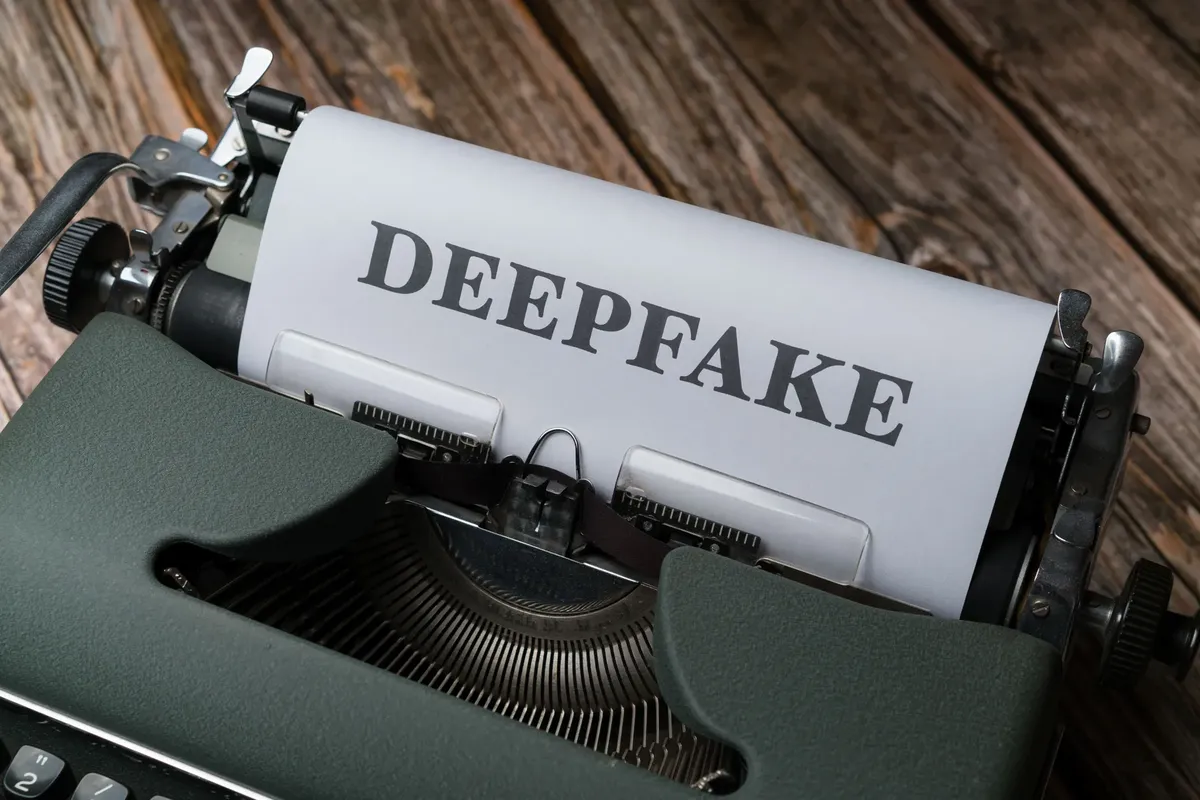
Deepfake ethics and impact involve navigating a landscape where synthetic media can mimic reality with startling accuracy.
This guide explores how generative AI affects job security, news reliability, and personal interactions, while addressing the growing tension between technological optimism and privacy concerns.
Key takeaways: * AI-generated content holds significant popularity among younger users but creates job displacement in creative sectors. * Trust in AI-produced news varies significantly by region and topic.

* Ethical considerations include managing misinformation, job loss, and the psychological impact of AI-driven advice.
How does AI image generation affect professional stability?
At his cluttered desk, the artist felt a cold shiver as he watched a deepfake portrait emerge instantly on the screen.
An illustrator sits at a desk, staring at a blank screen while a generative tool produces a complex character in seconds. The sudden shift in the digital workspace demonstrates how rapidly the industry is changing.
The economic reality of synthetic media is stark in certain sectors. In April 2023, it was reported that image generation AI has resulted in 70% of the jobs for video game illustrators in China being lost. This sudden displacement highlights the disruptive nature of rapid technological shifts.
The tension between innovation and livelihood is a core part of deepfake ethics and impact. While the tech advances, the human element of professional stability faces unprecedented challenges.
- Identify tasks that can be automated.
- Develop specialized skills to oversee AI tools.
- Pivot toward creative direction rather than manual execution.
What is the level of public comfort with AI-generated content?
A user scrolls through a social media feed, pausing to admire a stunningly realistic landscape that was entirely synthesized. The ease of consumption masks the complexity of the underlying technology.

Public sentiment regarding AI-generated content (AIGC) shows a clear divide between different age groups. A 2024 survey by the Just So Soul social media app reported that over 60% of respondents like or love AI-generated content (AIGC), while less than 3% dislike or hate it.
Among those born after 2000, 18% used generative AI almost every day.
Despite this popularity, deepfake social risks remain a significant concern for many. The widespread acceptance of these tools does not mean the ethical implications are ignored.
In this sequence, the second step is the most extensive.
How does AI-produced news influence public trust?
A person reads a headline on a smartphone, questioning whether the accompanying image is authentic or artificially manufactured. The ambiguity of digital news creates a constant state of skepticism.
Trust in news production varies by geography and the level of human involvement. 42% of Americans and 33% of Europeans reported that they were comfortable with news produced by "mainly human with some help from AI." This suggests a preference for human oversight in the editorial process.
However, the specific content of news affects how people perceive AI involvement. People are more uncomfortable with news topics including politics (46%), crime (43%), and local news (37%) produced by AI than other news topics.
Can AI provide meaningful emotional support?
A teenager types a message into a chat interface, seeking guidance on a personal matter from an AI companion. The digital interaction feels surprisingly personal, yet it lacks a human soul.
While technology is often viewed through a lens of utility, it is increasingly used for psychological engagement.
A 2025 nationally representative survey of US adolescents and young adults (aged 12 to 21) found that roughly 13% had used generative AI for emotional support, with more than 90% of them reporting the advice as helpful.
This trend highlights the intersection of synthetic media problems and human vulnerability. The ease of access to AI interaction creates unique ethical dilemmas regarding emotional dependency.
What are the primary risks for organizations?
A manager reviews a report, noticing a factual error that was introduced by an automated writing tool. The mistake, while subtle, could lead to significant strategic errors.
Organizations face tangible risks when integrating these technologies into their workflows. According to McKinsey’s State of AI 2024 survey, about 44% of organizations have experienced at least one negative consequence from GenAI, with inaccuracy and hallucination among the top cited risks.
Managing these risks requires a balance of innovation and caution. Privacy in AI images and data integrity remain paramount for corporate stability.
How do global perspectives differ on AI impact?
A traveler looks at a map, noting how different regions view the rapid advancement of digital tools. The global consensus is far from uniform.
Regional views on the overall influence of technology show varying levels of optimism. Despite expressing concerns about privacy and the pace of change, 68% of Asia-Pacific respondents believed that AI was having a positive impact on the world, compared to 57% globally.

These diverse viewpoints shape how different societies regulate and adopt new tools. The global conversation remains centered on balancing progress with social stability.
| Region | Positive Impact Belief |
|---|---|
| Asia-Pacific | 68% |
| Global | 57% |
I observed how much the regional data differed when comparing the Asia-Pacific figures to the global average.
A limitation of these findings is that the survey results are subject to the specific demographics and timeframes of the various studies conducted.
Deepfake ethics and impact
The same subject is also called AI image ethics issues.
This part also covers Detecting fake AI images.
This part also covers Legal issues of deepfakes.
This part also covers Data use in image AI.
Detecting fake AI images
Related







Comments 0