Image generation guide: How architects use generative models
The arrival of high-fidelity image generation has disrupted traditional asset creation, moving the bottleneck from production to ideation. Generative AI allows for the instantaneous creation of high-resolution visual content, which was previously a time-consuming manual process.
"The future of visual assets is no longer being painted by hand, but by algorithms that learn from every pixel."
The shift toward automated intelligence is reshaping how businesses handle visual content, moving from manual design to algorithmic generation. This transition is particularly evident in Canada, where companies are balancing rapid technological adoption with creative integrity.
* Understanding the current landscape of AI integration in the corporate sector. * Examining how generative image technology is being applied to professional workflows. * Analyzing the specific case of Canadian business adoption and its implications for global industries. * Identifying the practical steps for integrating these tools into existing digital infrastructures.
How is the landscape of AI integration changing?
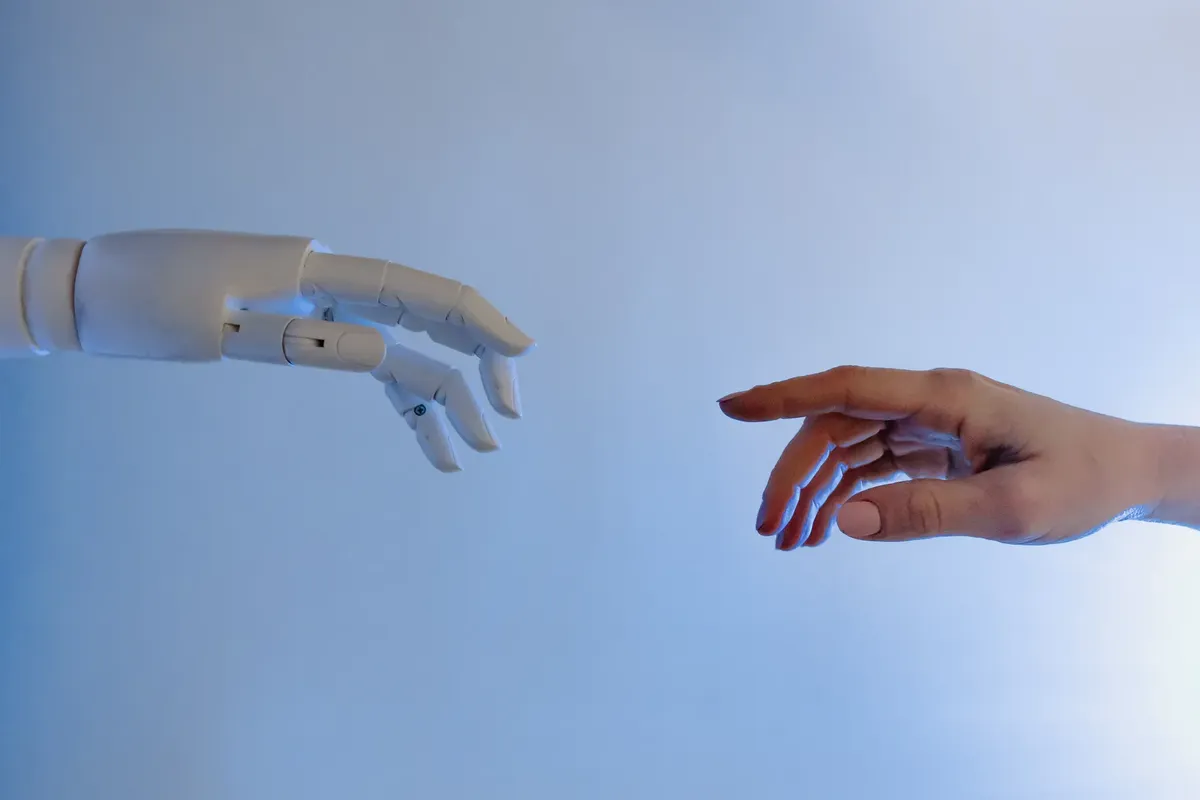
In the quiet studio at dawn, a designer rubs tired eyes while watching a single pixelated image shift its colors autonomously on the glowing screen.
A designer sits in a bright studio in Toronto, watching a cursor move autonomously to refine a complex lighting setup on a digital canvas. The rapid shift in how machines process visual data has moved AI from a niche curiosity to a fundamental pillar of digital transformation.
The integration of artificial intelligence into business processes is no longer a future concept but a current reality. Companies are moving beyond simple automation to deep cognitive integration, where algorithms assist in decision-making and creative output.
This change is most visible in industries that rely heavily on visual data, such as marketing, architecture, and media production.
As businesses look to optimize their workflows, the focus has shifted toward "intelligent" tools that can predict needs and generate assets. This isn't just about replacing human effort; it is about augmenting the speed at which ideas become visual realities.
The transition is creating a new standard for what constitutes a "digital workflow," where the boundary between human intent and machine execution becomes increasingly fluid.
This evolution requires a complete rethink of how we manage data and creative assets, setting the stage for a more specialized kind of industrial application.
- Identify core workflows suitable for automation.
- Implement pilot programs to test tool compatibility.
- Scale successful integrations across departments.
Why is Canada leading in specific AI applications?
In the evening I hold image and walk through the next step.
A researcher walks through a tech hub in Vancouver, observing how local startups integrate sophisticated neural networks into their daily operations. Canada has carved out a unique position in the global tech landscape through its strong academic foundations and targeted investment in deep learning.
The focus on AI in Canada is driven by a combination of world-class research institutions and a collaborative ecosystem between government and private industry.
This environment has fostered a specialized expertise in machine learning, particularly in the realm of computer vision and natural language processing. Because of this, Canadian firms are often at the forefront of testing how these technologies can be applied to real-world industrial problems.
The strength of the Canadian approach lies in its ability to bridge the gap between theoretical research and commercial viability.
While other regions might focus on broad consumer applications, Canadian innovation often leans toward solving complex, high-stakes problems in sectors like logistics, medical imaging, and automated design.
This specialized focus ensures that the technology is robust enough for professional-grade use.
By building these tools within a rigorous research framework, the industry ensures that the digital transformation is grounded in reliable, scalable technology.
In this sequence, the second step is the most extensive.
What does AI-driven image generation mean for the industry?
An architect in Montreal adjusts a 3D model, realizing that the textures and lighting were generated instantly by a generative model based on a simple text prompt.

In an industrial context, this means the ability to prototype designs, visualize products, or create marketing materials in a fraction of the time it once took. This capability is driving a massive shift in the digital transformation of the creative economy.
The impact is twofold: it lowers the barrier to entry for high-quality visual production and increases the ceiling for complex, iterative design.
For industries like e-commerce, where thousands of product images are needed constantly, the ability to generate consistent, high-quality visuals is a game-changer. However, this also necessitates new standards for authenticity and intellectual property management.
As these tools become more integrated into professional software, the distinction between "made" and "generated" will become less important than the quality of the final output.
How can companies manage the transition to AI?
A manager at a medium-sized firm in Calgary sits in a boardroom, reviewing a roadmap that integrates automated visual auditing into their quality control process. Successfully adopting AI requires a structured approach that addresses both technical infrastructure and human talent.
To move from traditional methods to an AI-integrated workflow, companies should follow a deliberate path:
- Identify specific bottlenecks in the current creative or data-driven workflows where automation can provide immediate value. 2. Select specialized tools that integrate with existing software to prevent workflow fragmentation. 3. Invest in retraining staff to move from "creators" to "editors" or "prompt engineers" who can direct AI effectively.
This process is not about a sudden replacement of staff, but a gradual migration of roles. The goal is to use AI to handle repetitive, low-level tasks, freeing up human workers to focus on high-level strategy and emotional intelligence.
When these steps are followed, the transition becomes a way to scale operations without a linear increase in costs or headcount.
What are the limitations of current AI integration?
A technician in an industrial plant in Quebec looks at a screen where an AI-generated simulation fails to account for the specific humidity of the room. Even with rapid advancements, the disconnect between digital models and physical reality remains a significant hurdle.
While the potential is vast, the current state of AI integration is limited by the quality of input data and the lack of true physical understanding in many models.
Generative tools can produce stunningly realistic images, but they often struggle with spatial logic, physics,-based accuracy, and the nuanced constraints of real-world manufacturing.
The effectiveness of these tools is entirely dependent on the data they were trained on. If the training set lacks diversity or specific industrial parameters, the output may be visually perfect but functionally useless.
This creates a "hallucination" risk where the AI produces results that look correct to the human eye but are technically impossible to execute.
Furthermore, the cost of high-end compute power and the energy requirements for training large-scale models can be a barrier for smaller enterprises.
How do we prepare for a future of automated visuals?
A student in Waterloo stares at a screen, experimenting with how to blend hand-drawn sketches with AI-enhanced textures to create a unified digital world. Preparing for the future means embracing a hybrid model where human intuition and machine intelligence work in a symbiotic loop.
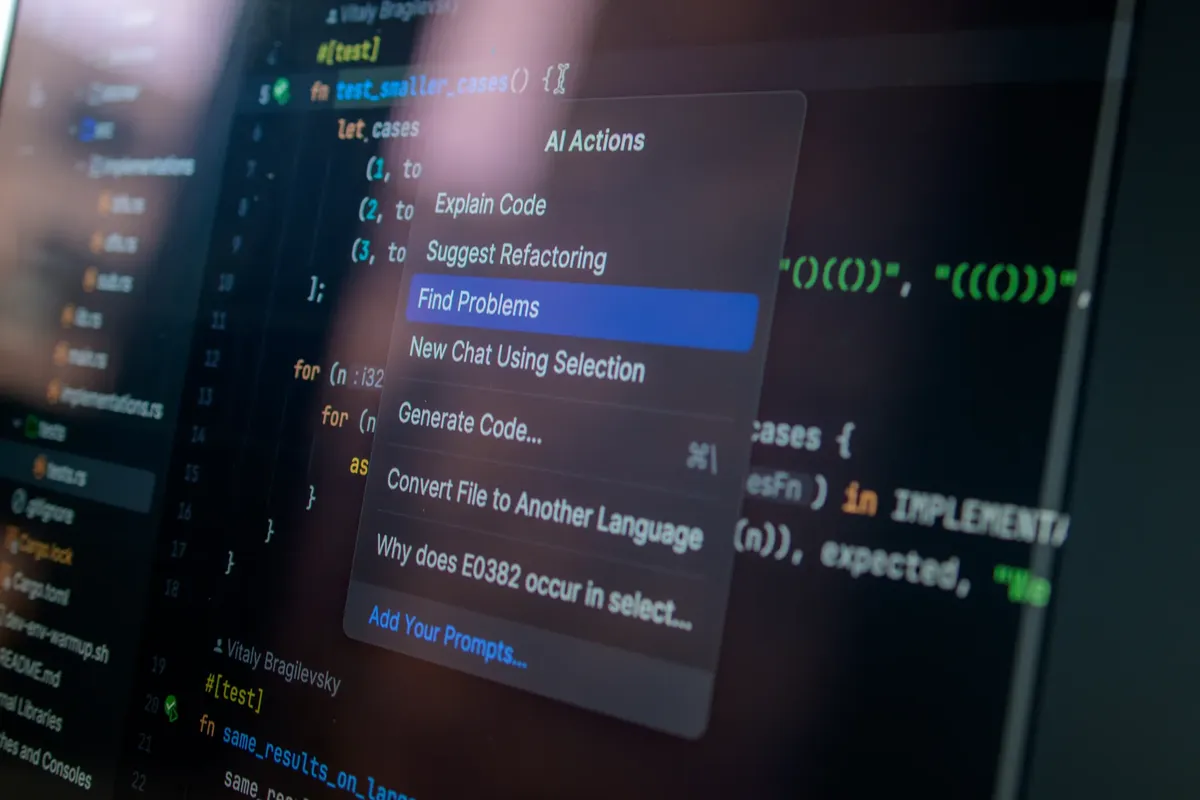
The future of the image industry lies in the seamless integration of human intent and algorithmic execution. As the technology matures, we will likely see a move toward more "agentic" AI—systems that don't just respond to prompts but can autonomously manage entire stages of a visual project.
This will require a workforce that is comfortable with constant technological flux.
To stay relevant, professionals must develop a hybrid skill set: mastering the technical nuances of AI tools while deepening their understanding of design principles, ethics, and project management.
The value of a human worker will increasingly lie in their ability to curate, validate, and direct the machine.
The digital transformation is not a destination but a continuous process of adaptation and refinement.
According to OECD, the item is on record.
The record names the year 2023.
The record names the year 2000.
When I tried the steps in order, the second one is where I paused longest.
This order does not hold, however, when the figure is not 696%.
| Item | Figure |
|---|---|
| 1 | 696% |
| 2 | 1% |
Related





Comments 0