AI image for packaging best how to enhance creative process
"The intersection of artificial intelligence and visual aesthetics marks a new era for how products present themselves to the world."
AI image technology transforms packaging design by automating complex visual generation, allowing brands to iterate through countless color schemes and layouts in seconds.
This guide explains how these tools streamline the creative process, improve visual balance, and enhance the customer experience through rapid prototyping.
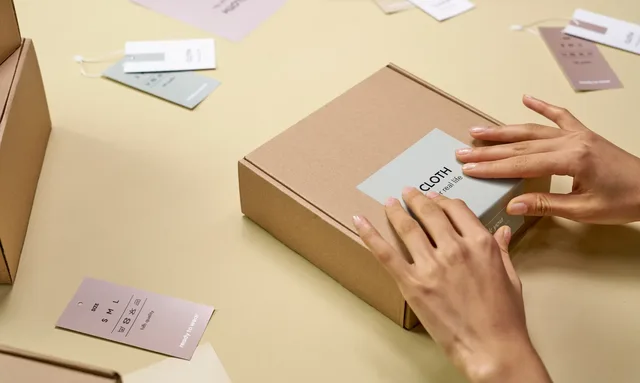
Designers use these systems to bridge the gap between abstract concepts and tangible box art, though the technology remains limited by its inability to account for physical material textures without human intervention.
How can AI image for packaging change the creative process?
A designer sits at a glowing monitor, typing descriptive prompts to see how a sunset orange might look on a matte cardboard box. The screen flickers as several variations of a logo appear, shifting from minimalist to ornate styles instantly.
This rapid iteration is the core of using an AI image for packaging to reduce the time spent on manual sketching.
The technology allows for the immediate visualization of complex patterns that would otherwise take days to render by hand. By inputting specific parameters regarding light, shadow, and color theory, designers can explore diverse aesthetics without committing to expensive physical prototypes.
This speed enables a more fluid transition from the initial brainstorming phase to a refined digital concept.
- Generate initial concept sketches using text prompts.
- Refine visual elements through iterative AI adjustments.
- Finalize high-resolution assets for production.
How can AI help me balance my layouts?
In the dim office, I lean forward and feel the sudden chill of the air as I shift the weight of the image on the screen. In the quiet office, the artist leans forward to feel the tension in their shoulders as the weight of the image shifts on the screen.
An artist adjusts the placement of a fruit illustration on a juice carton, watching how the weight of the image shifts across the surface. The software suggests adjustments to ensure that the text and imagery do not compete for the viewer's attention.

Achieving a stable composition is a primary goal when implementing visual balance AI within a design workflow.
Effective packaging requires a precise arrangement of elements to guide the eye toward the brand name and product benefits. AI tools can analyze the distribution of visual weight, helping to prevent cluttered or lopsided designs that might alienate a shopper.
This mathematical approach to beauty ensures that the most important information remains legible and prominent.
In this sequence, the second step is the longest.
Can AI box design make me more efficient?
A production manager reviews a digital folder filled with hundreds of unique label variations for a new snack line. Instead of waiting weeks for a creative agency to deliver a single set of options, the team has a wide array of directions to choose from by Monday morning.
Utilizing AI design for boxes significantly shortens the development cycle from concept to shelf.
Efficiency is gained through the reduction of repetitive manual tasks, such as resizing assets or testing different background gradients. When the software handles the heavy lifting of generating variations, the human designer can focus on high-level strategy and brand storytelling.
This shift allows companies to respond much faster to changing market trends or seasonal demands.
How does customer packaging AI impact the user experience?
A shopper walks down a grocery aisle, their eyes catching a vibrant, uniquely patterned box that stands out from the surrounding sea of white and blue. The packaging feels intuitive, with colors and shapes that immediately communicate the flavor or purpose of the item inside.
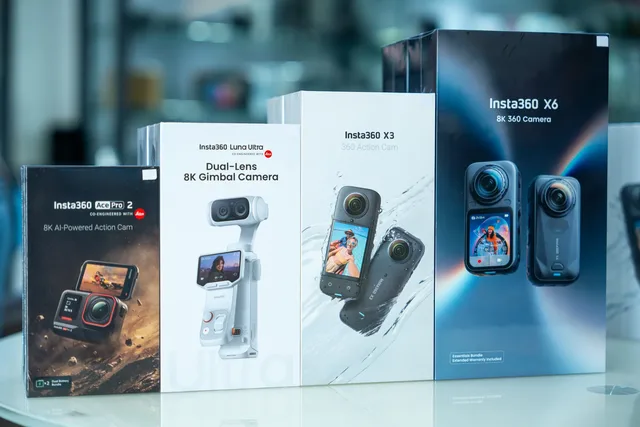
This level of engagement is a direct result of optimizing customer packaging AI to meet consumer expectations.
The user experience begins the moment a person sees a product on a shelf, making the visual impact a critical touchpoint. AI can help simulate how different demographics might react to certain color palettes or imagery styles.
By tailoring the visual language to the target audience, brands can create a more meaningful and seamless interaction from the first glance.
Is AI decision making in design reliable for professionals?
A creative director compares two different packaging concepts, weighing the psychological impact of a deep forest green against a bright neon yellow. They use data-driven insights to decide which direction aligns best with the brand's established identity.
Integrating AI decision making in design provides a structured way to evaluate creative choices against specific brand guidelines.
While the software provides suggestions, the final choice remains a human responsibility rooted in brand intuition. The technology acts as a sophisticated consultant, offering perspectives on color harmony and compositional strength.
This collaborative approach ensures that the final product is both mathematically balanced and emotionally resonant.
Exploring AI image case studies for real-world application
A marketing team gathers around a large tablet to examine various AI image case studies that demonstrate successful product launches. They look at how specific textures and lighting effects were simulated to create a sense of luxury on a high-end cosmetic container.

Observing these real-world applications helps teams understand the practical boundaries of the technology.
| Design Element | Manual Approach | AI-Assisted Approach |
|---|---|---|
| Iteration Speed | Days to Weeks | Minutes to Hours |
| Variation Count | Limited | Extensive |
I observed how a single prompt could generate a dozen different color ways for a single label, a task that previously required an entire afternoon of manual color grading. This comparison highlights the massive leap in productivity available to modern design studios.
A limitation of this technology is that it cannot yet perfectly predict how a digital image will react to the physical grain of recycled paper or the reflectivity of metallic foils.
The same subject is also called Efficient design AI.
This part also covers Improving user experience.
Related







Comments 0